
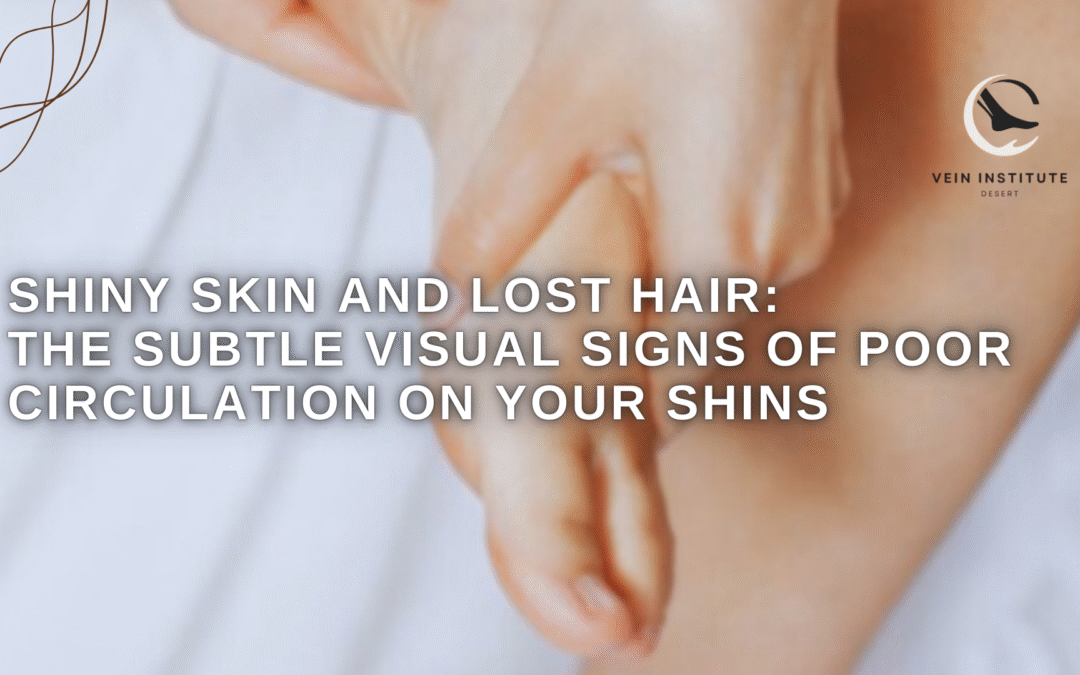
Shiny Skin and Hair Loss: Circulation Signs 🦵✨
You might glance at your shins in the morning and notice something subtle: a glossy sheen, or perhaps patches where hair has thinned. At first, it seems cosmetic, even trivial. But these quiet changes can tell a larger story about circulation in your lower legs. As a phlebologist with decades of experience treating vein disease, I can assure you — Shiny Skin and Hair Loss are often among the earliest visible markers of venous insufficiency or compromised blood flow. Ignoring them may allow underlying vein issues to progress unnoticed, leading to discomfort, swelling, and even skin ulceration over time.
Circulation changes rarely announce themselves loudly. Unlike swelling or pain, visual cues demand keen observation. Yet in Palm Desert’s dry climate, with heat-induced vein dilation and increased activity levels among adults aged 40–60, these subtle signs can be particularly telling.
How Poor Circulation Manifests on the Shins 🔬
Healthy veins return blood efficiently from the legs to the heart. When this system falters, blood pools, pressure rises, and tissues receive less oxygenated blood. Over time, this creates observable changes in the skin and hair.
Patients often report:
1️⃣ Skin appearing unusually smooth or shiny, almost taut
2️⃣ Hair thinning or disappearing on the lower legs
3️⃣ Occasional cramping or heaviness after prolonged standing
4️⃣ Minor discoloration or itching along the shin
These signs correlate with chronic venous hypertension. The shiny appearance reflects skin stretching and dermal atrophy, while hair loss is linked to nutrient and oxygen deprivation to hair follicles.
Why Subtlety Is Dangerous ⚠️
The silent nature of these visual signs is part of the problem. Many adults dismiss changes in shin appearance as normal aging or minor cosmetic variation. But subtle changes often precede more serious vein disease. Without early intervention:
• Swelling can progress, making shoes uncomfortable by evening
• Discoloration may worsen into hyperpigmentation
• Persistent inflammation increases the risk of venous ulcers
• Overall mobility and energy levels may decline due to leg heaviness
Mechanisms Behind Skin and Hair Changes 🩺
Chronic venous insufficiency increases pressure in the superficial veins, leading to fluid leakage into surrounding tissues. This edema, combined with inflammatory responses, affects skin integrity. The dermis becomes thinner, collagen breaks down, and hair follicles lose their support.
Additionally, oxidative stress from repeated venous pooling in the legs can damage follicular structures. Over time, these processes create visible markers — shiny skin and localized hair loss — even before more overt symptoms like pain or swelling appear.
Early Intervention and Lifestyle Strategies 🌟
Maintaining vein health can mitigate these subtle changes. Consider:
• Elevating legs during rest to facilitate venous return
• Consistent hydration to optimize blood viscosity
• Moderate, low-impact exercise to stimulate the calf muscle pump
• Compression therapy during high-activity days or long standing periods
• Monitoring shin appearance regularly for emerging changes
Proactive management often prevents progression to symptomatic venous disease and preserves both leg appearance and functional health.
When to Seek Professional Evaluation 🩺
If you notice persistent shin shininess, hair thinning, or accompanying leg heaviness, a vascular assessment is warranted. Duplex ultrasound can evaluate valve function, detect reflux, and help guide minimally invasive treatment options. Early evaluation frequently leads to interventions that reduce future risk while preserving daily mobility.
Visual Clues Are More Than Cosmetic 👀
The lower legs are not merely aesthetic; they provide early warning signals about your circulatory health. Shiny skin or hair loss may seem minor, yet they are often the first visible indicators that veins are struggling. Recognizing these signs early allows adults to protect vein integrity, maintain comfort, and prevent complications that are far more difficult to treat.
Healthy veins sustain not only leg function but overall energy and quality of life.
Andy Sharify
The founder and owner of The Vein Institute of the Desert. He oversees the clinic, ensuring exceptional service and a patient-focused approach to vein care. Andy is dedicated to creating a comfortable and supportive environment for every patient.