

Leg Pain After Standing: A Sign of Vein Dysfunction🦵
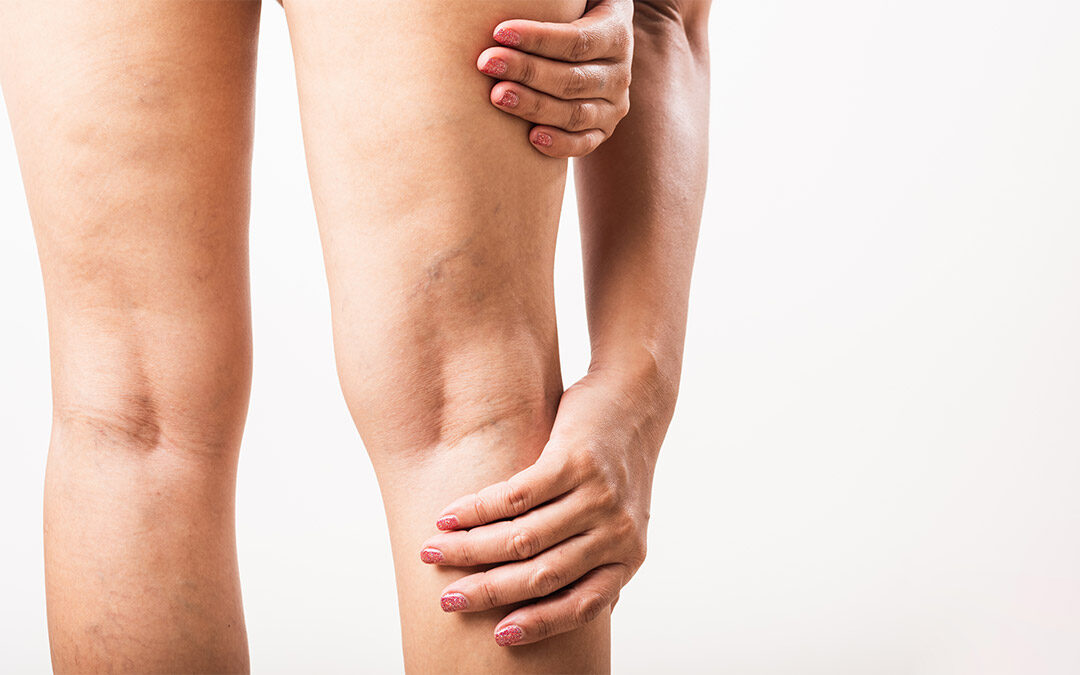
Many people dismiss leg discomfort that develops after prolonged standing as simple fatigue or muscle strain. However, this type of pain often indicates underlying issues in the venous system. Veins in the lower limbs work against gravity to return blood to the heart, relying on functional valves and surrounding muscle contractions. When this system is compromised, venous pressure increases especially after standing for extended periods leading to leg pressure pain, swelling, and heaviness.
🌡️ Why Leg Pressure Builds After Standing
When we remain upright, blood naturally pools in the lower extremities due to gravity. Healthy veins rely on one-way valves to prevent backflow, but when these valves weaken, venous insufficiency can develop. Over time, increased pressure causes fluid accumulation, noticeable swelling, and discomfort. Unlike muscle or joint fatigue, which usually eases with rest, vein-related pain often lingers or intensifies by the end of the day.
💡 Daily Patterns and Symptom Awareness
Discomfort in the legs from prolonged periods of standing often follows a clear pattern: it tends to be mild in the morning, worsens throughout the day with extended standing or walking, and eases after elevating the legs or resting. People may experience aching, heaviness, or throbbing in the calves, sometimes accompanied by visible changes in the veins. Noticing these patterns helps distinguish circulation-related issues from muscle or joint pain, which generally respond more directly to movement or stretching.
🔍 Identifying Vein Circulation Issues
Early evaluation by a vein doctor Palm Desert is crucial for accurate diagnosis. Duplex ultrasound remains the standard tool to assess blood flow, valve function, and venous pressure. This non-invasive imaging identifies reflux, blockages, or other structural abnormalities. By pinpointing the source of leg discomfort, specialists can recommend appropriate vein treatment plans that go beyond temporary symptom relief.
⚕️ Treatment Approaches for Vein Dysfunction
Management depends on the severity and type of vein issues. Conservative measures such as compression therapy, lifestyle modifications, and leg elevation can enhance circulation and reduce discomfort. In cases of structural valve insufficiency or persistent venous insufficiency symptoms, minimally invasive procedures such as endovenous ablation, sclerotherapy, or targeted vein removal may be advised. Early intervention not only eases leg pain but also helps prevent progression to more serious complications.
🧪 Differentiating Vascular Pain from Other Causes
Unlike orthopedic or muscular leg pain, vein-related discomfort often intensifies after prolonged standing and improves with elevation or compression. Muscle fatigue may respond immediately to stretching or rest, whereas venous pressure-related pain persists, often accompanied by swelling, heaviness, or changes in skin appearance. Observing these subtle differences can guide patients toward proper evaluation by vein specialists.
🏥 When to Seek Professional Evaluation
Ignoring persistent discomfort in the legs that occurs during prolonged standing can worsen circulation problems, increase vein inflammation, or contribute to chronic venous insufficiency. Those experiencing ongoing aching, swelling, or heaviness should seek evaluation from a vascular expert promptly. Early assessment enables vein specialists to intervene effectively, preserving leg health and enhancing overall quality of life through targeted vein treatment strategies.
💡 Promoting Long-Term Leg Health
Maintaining regular movement, avoiding extended periods of immobility, using supportive compression stockings, and tracking daily leg symptoms are essential for managing early signs of vein issues. Routine evaluations at Vein Institute of The Desert can help prevent progression, improve circulation, and lower the risk of long-term complications.
Andy Sharify
The founder and owner of The Vein Institute of the Desert. He oversees the clinic, ensuring exceptional service and a patient-focused approach to vein care. Andy is dedicated to creating a comfortable and supportive environment for every patient.