
Chronic Venous Insufficiency and Heat Exposure 🌡️🦵
Living in hot desert climates places unique stress on the human circulatory system. Prolonged exposure to high temperatures affects how blood moves through the veins, especially in the lower extremities. For patients with chronic venous disorder, heat can accelerate symptom progression in ways many people fail to recognize. Swelling, inflammation, and skin changes often intensify during warmer months, creating discomfort that goes beyond seasonal inconvenience and signals deeper vascular strain.
🌞 Why Desert Heat Alters Venous Circulation
Veins rely on one-way valves and muscle movement to push blood upward toward the heart. In hot environments, blood vessels naturally dilate to help regulate body temperature. While this response aids cooling, it also slows venous return in the legs. Dilated vessels place extra pressure on already weakened valves, allowing blood to pool more easily. In desert regions where temperatures remain elevated for long periods, this process becomes continuous rather than temporary.
Heat also increases fluid loss through sweating. Without adequate hydration, blood thickens slightly, making circulation less efficient. This combination of vessel dilation and dehydration creates an environment where venous reflux worsens quietly, often without immediate pain but with cumulative effects on vein structure.
💧 Dehydration and Its Hidden Impact on Vein Function
Dehydration is common in arid climates and frequently underestimated. Even mild fluid loss reduces plasma volume, limiting the body’s ability to maintain smooth blood flow. For compromised veins, reduced hydration increases pressure within the lower limbs. The veins must work harder to move blood upward, intensifying strain on valve systems.
Patients may notice tightness in their calves, aching after standing, or slower recovery after physical activity. These sensations are not merely signs of fatigue; they reflect physiological stress on the venous network that worsens under sustained heat exposure.
🦵 Leg Swelling as an Early Indicator of Heat Stress
One of the most noticeable changes patients experience in hot climates is leg swelling. As temperatures rise, fluid escapes from dilated blood vessels into surrounding tissues. Gravity compounds this effect in the lower extremities, particularly around the ankles and calves.
Swelling often fluctuates throughout the day, improving overnight and worsening by afternoon. Persistent edema signals that veins are struggling to manage pressure effectively. Over time, repeated swelling stretches vein walls, making valve closure less effective and allowing further pooling to occur.
🧬 Inflammation and Skin Changes Over Time
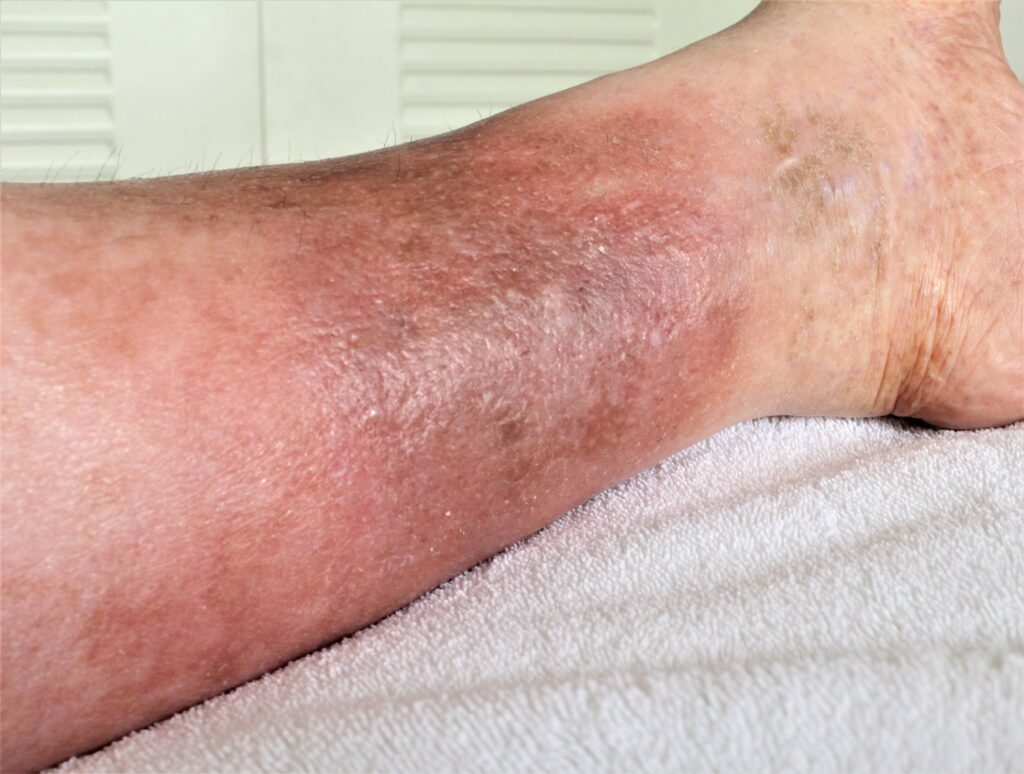
Chronic inflammation develops when blood remains stagnant in the veins. Heat intensifies this process by increasing vascular permeability, allowing inflammatory compounds to accumulate in surrounding tissues. Skin may begin to feel warm, itchy, or tender, even without visible injury.
As circulation efficiency declines, oxygen delivery to the skin decreases. Discoloration, dryness, and texture changes may appear near the ankles. These surface changes reflect deeper vascular challenges and indicate that venous pressure has begun to affect surrounding tissue health.
🔬 How Venous Reflux Progresses in Hot Environments
Venous valve failure occurs when damaged valves allow blood to flow backward instead of upward. In hot climates, vessel dilation makes valve closure less precise, increasing the volume of backward flow. Over time, repeated reflux episodes stretch the vein walls further, creating a cycle that accelerates disease progression.
Patients may notice heaviness, throbbing, or restlessness in their legs during warm evenings. These sensations often worsen after prolonged standing or sitting, as heat and gravity work together to intensify pressure within the veins.
🏜️ Why Desert Regions Require Specialized Vein Evaluation
Hot climates introduce factors that differ significantly from cooler environments. Continuous heat exposure, dry air, and higher dehydration risk alter how venous conditions present and progress. Medical providers recognize these patterns and evaluate symptoms within a climate-specific context.
Vein Institute of the Desert in Palm Desert approach vascular care with an understanding of how regional conditions affect circulation, skin integrity, and swelling patterns. This perspective allows for more accurate assessment and early identification of heat-related venous complications.
👩⚕️ When to Consult a Vein Specialist
Not all leg discomfort requires immediate intervention, but persistent symptoms deserve professional evaluation. Patients should consider consulting a vein specialist palm desert residents trust if swelling becomes frequent, skin changes progress, or discomfort interferes with daily activities.
Early evaluation focuses on identifying circulation patterns, valve performance, and pressure distribution. Diagnostic imaging can reveal underlying changes before complications develop, allowing patients to address issues proactively rather than reactively.
📋 Daily Factors That Influence Venous Health in Heat
Several lifestyle factors play a role in how veins respond to desert temperatures:
Here’s your list with emojis added for clarity and visual emphasis:
- 🕒 Prolonged standing or sitting without movement
- 💧 Inadequate hydration during hot weather
- 🦵 Limited calf muscle engagement
- 🌞 Extended sun exposure increasing vessel dilation
- 🛌 Lack of leg elevation during rest
Addressing these factors can reduce symptom intensity and support healthier circulation throughout the day.
🦵 Managing Chronic Venous Insufficiency in Desert Climates
Living in a hot climate does not automatically lead to severe vein disease, but it does demand greater awareness. Heat exposure amplifies venous pressure, dehydration worsens circulation efficiency, and repeated swelling stresses vein walls. Recognizing how these elements interact allows patients to respond earlier and protect long-term vascular health.
By monitoring symptoms, maintaining hydration, and seeking expert evaluation when changes persist, individuals in desert regions can better manage venous conditions and reduce progression risks tied to climate-related stress.

Andy Sharify
The founder and owner of The Vein Institute of the Desert. He oversees the clinic, ensuring exceptional service and a patient-focused approach to vein care. Andy is dedicated to creating a comfortable and supportive environment for every patient.