
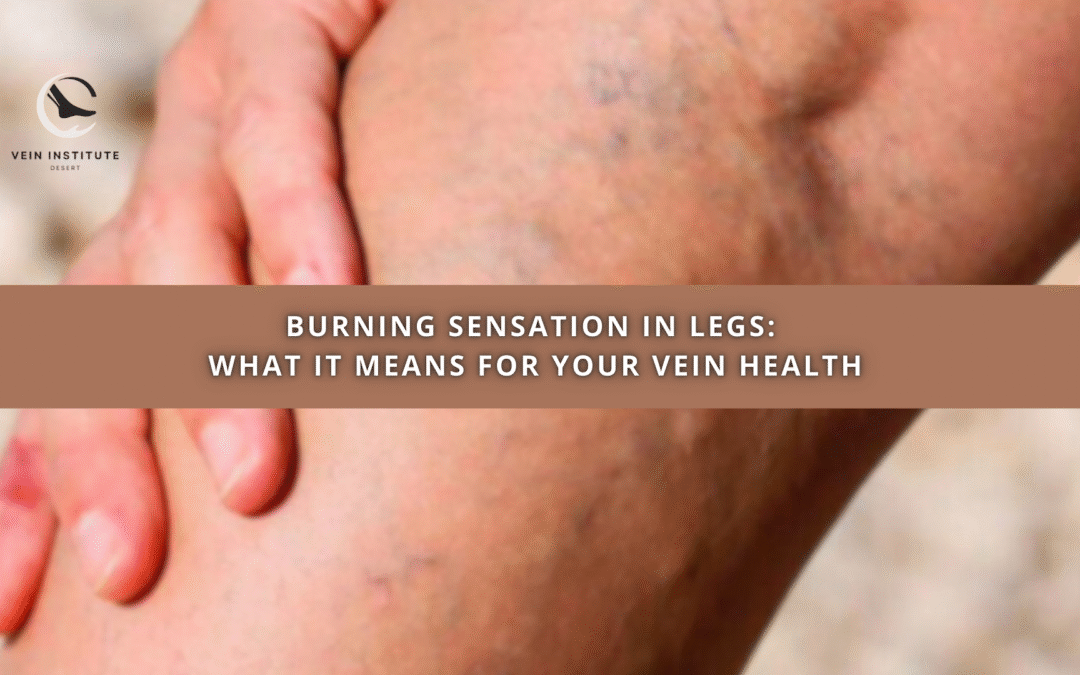
🔥 Burning Legs and Circulation Problems
A burning sensation in legs can feel alarming, especially when it appears without an obvious cause. Many people describe it as heat spreading through the calves, tingling across the shins, or a warmth that becomes more noticeable at night. While the feeling can come from nerves, muscles, or fatigue, it is often tied to deeper vascular changes.
⚠️ What This Burning Feeling Often Signals
A heated, irritated feeling in the lower limbs can develop when blood flow no longer moves efficiently. When the valves inside the veins weaken, blood begins to pool instead of circulating upward as it should. This process commonly known as venous reflux creates pressure within the vessel walls. Over time, that pressure can irritate nearby tissues and nerves, resulting in warmth, stinging, or a persistent fiery sensation.
Some individuals experience this after long periods of standing. Others may feel it after sitting for hours with limited movement. Even healthy individuals can develop vascular discomfort following hormonal changes, weight fluctuations, or injury. Regardless of the trigger, the underlying mechanism is often similar: increased internal pressure that gradually affects surrounding structures.
🔬 The Role of Venous Inflammation
When veins become irritated, they can develop venous inflammation, a process that produces localized heat and tenderness. The swelling that occurs around the vessel can heighten sensitivity, making the legs feel warm even when the skin itself is cool to the touch. This irritation may also worsen by the end of the day or during physical activity that increases blood flow.
Inflammatory changes may not always be visible. In some cases, swelling remains internal, with no obvious surface signs. Because of this, many people overlook early symptoms, assuming the discomfort is due to muscle fatigue or general tiredness. However, repeated episodes usually indicate a pattern worth evaluating.
🩺 How Poor Circulation Contributes to the Problem
Another factor that can intensify leg discomfort is poor circulation. When blood has difficulty returning toward the heart, tissues receive less oxygen and nutrients. This imbalance causes heaviness, mild cramping, and, eventually, a burning or warming feeling. The problem tends to worsen at night when the legs are elevated after hours of pressure from daily activity.
Left unaddressed, poor flow can lead to changes in skin texture, ankle swelling, or new clusters of surface veins. Though not always dangerous in early stages, the pattern can evolve slowly, which is why timely assessment is encouraged.
🧩 When Valve Function Begins to Decline
The valves inside the veins act like small doors that open and close with each movement of the leg. When they weaken, blood moves sluggishly and irritates the vessel wall. Many people don’t realize this process is happening until sensations like heat or stinging appear. Because these early signs can precede visible vein changes, recognizing them can help prevent progression.
Small lifestyle habits may also aggravate the condition. Sitting cross-legged, wearing tight clothing, or standing still for long periods can intensify internal pressure. Over time, the added strain makes it harder for the veins to return to normal function.
⭐ Knowing Your Symptoms
A burning feeling does not automatically mean a severe disorder. Still, it is a helpful signal that circulation needs attention. Monitoring when the sensation appears, what activities make it worse, and whether swelling accompanies it can provide early clues to the underlying cause.
If tenderness, ankle puffiness, or visible vein clusters begin to appear alongside the heat, an evaluation is especially important. These changes suggest that the veins are enduring more stress than they can manage on their own.
🛡️ Protecting Your Vein Health
Taking preventive steps can make a meaningful difference. Gentle leg movement, elevating the feet, staying hydrated, and avoiding long periods of immobility all support healthier flow. Many individuals find relief simply by adding brief walking breaks into their daily routine. However, when symptoms persist, a professional assessment can help pinpoint whether reflux, inflammation, or valve strain is driving the discomfort.
Because vascular changes progress quietly, early evaluation is one of the most effective ways to avoid complications later. Understanding the cause of recurring leg heat can help you protect long-term comfort and circulation.

Andy Sharify
The founder and owner of The Vein Institute of the Desert. He oversees the clinic, ensuring exceptional service and a patient-focused approach to vein care. Andy is dedicated to creating a comfortable and supportive environment for every patient.