
When Physical Therapy Fails: Hidden Vein Disease🩺
Many individuals experiencing persistent leg discomfort initially assume muscular or orthopedic issues. When symptoms continue despite consistent physical therapy, the root cause may be overlooked: underlying venous dysfunction. The lower extremities rely on veins to return blood efficiently to the heart, and when these vessels weaken, fluid accumulation, swelling, and pain can mimic joint or muscle-related problems. This hidden vein disease often remains undetected until symptoms persist or worsen, making accurate evaluation by a vein and vascular institute crucial.
💡 Why Physical Therapy May Not Work
Physical therapy targets muscles, joints, and movement patterns. While beneficial for strains, overuse injuries, or postural imbalances, it cannot correct issues within the venous system. Vein-related leg pain, heaviness, or swelling may be misdiagnosed as musculoskeletal discomfort, leading patients to repeat ineffective therapy sessions. Signs such as persistent fatigue in the legs, nocturnal cramps, or visible swelling can indicate that therapy is addressing the wrong source.
🔍 Recognizing Misdiagnosed Leg Pain
Leg symptoms not caused by muscles or joints often include throbbing sensations, tingling, or a sense of fullness that worsens with prolonged standing. Patients may notice visible veins or subtle skin changes over time. These signs often indicate underlying venous issues, and failing to recognize them delays appropriate intervention. Misdiagnosis is common when vein assessment is not considered, resulting in frustration for both patients and clinicians.
🩸 Venous Insufficiency Symptoms to Watch
Persistent swelling, discomfort after long periods of activity, and the appearance of bulging veins are hallmark venous insufficiency signs. Unlike simple muscular fatigue, these symptoms often improve with leg elevation, compression therapy, or movement rather than standard exercises. Awareness of these indicators helps differentiate between musculoskeletal issues and underlying venous dysfunction, emphasizing the importance of specialized evaluation.
🛠️ Accurate Vein Evaluation
A comprehensive vein evaluation typically includes physical examination and diagnostic imaging such as Doppler ultrasound to assess blood flow and valve function. Early detection allows for tailored treatment strategies that address the cause rather than just the symptoms. When conducted at a reputable vein and vascular institute, these assessments provide clarity, helping patients understand why prior therapies may have failed and guiding effective management plans.
⚡ Restoring Leg Health Beyond Muscles
Once venous insufficiency is identified, minimally invasive procedures or lifestyle interventions can correct the problem at its source. Treatments may include endovenous therapy, sclerotherapy, or targeted compression protocols, alongside guidance on activity and posture. By addressing the underlying circulation issue, patients often experience relief from pain, swelling, and fatigue previously attributed to muscle or joint dysfunction.
🏃 Proactive Steps for Lasting Relief
Maintaining leg health after diagnosis requires ongoing care: regular movement, avoiding prolonged sitting, proper hydration, and follow-up assessments. Patients with persistent or recurrent discomfort benefit from early intervention, preventing long-term complications and ensuring sustainable improvements in comfort and mobility.
By recognizing when physical therapy is not helping leg pain, seeking specialized evaluation, and targeting venous dysfunction, individuals can resolve chronic symptoms that may have been misdiagnosed leg pain. Proper diagnosis transforms the treatment approach, offering relief and preserving leg function for years to come.
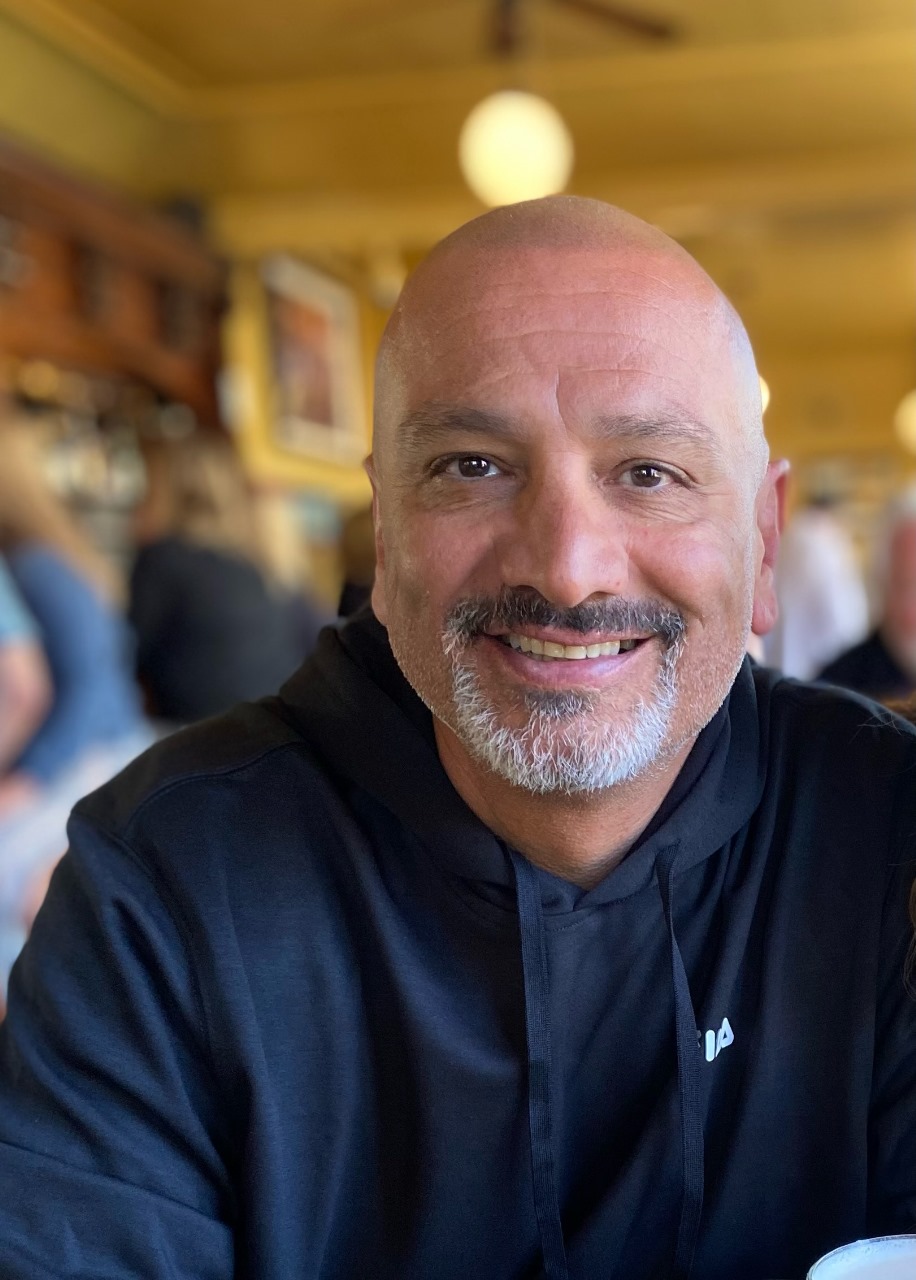
Andy Sharify
The founder and owner of The Vein Institute of the Desert. He oversees the clinic, ensuring exceptional service and a patient-focused approach to vein care. Andy is dedicated to creating a comfortable and supportive environment for every patient.