
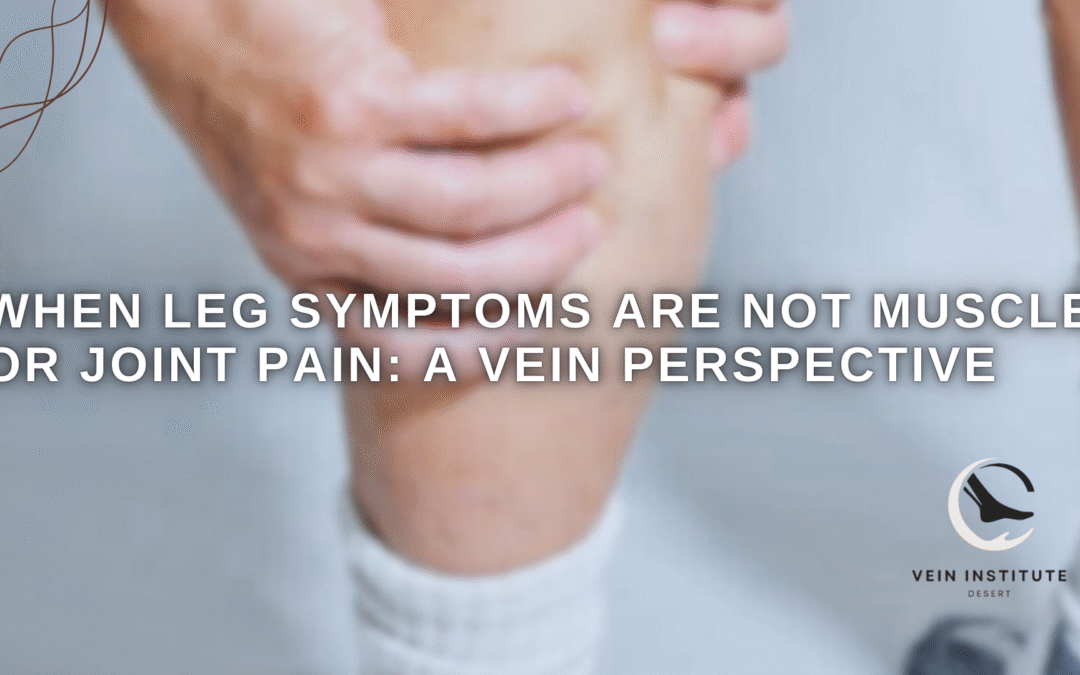
Leg Symptoms Not Caused by Muscle or Joint Pain 🦵
Leg discomfort is frequently attributed to muscle strain, joint wear, or minor injuries. When aches persist despite rest, stretching, or physical therapy, many people continue treating the problem as orthopedic. This delay often happens because vascular-related discomfort behaves differently and does not always follow predictable injury patterns. When symptoms feel deep, heavy, or progressive, veins may be contributing far more than muscles or joints.
🩺 Why Some Leg Pain Doesn’t Match Muscular Patterns
Classic muscle soreness improves with rest and responds to movement-based recovery. Joint issues typically worsen with specific motions and improve when stress is reduced. In contrast, leg pain not muscle related often feels diffuse, heavy, or pressure-like. Symptoms may intensify after prolonged standing, worsen toward evening, or return consistently without a clear trigger. These patterns suggest internal flow challenges rather than tissue damage.
🧠 How Vein Conditions Mimic Orthopedic Problems
Vein-related discomfort can closely resemble arthritis, nerve compression, or tendon strain. Many individuals are treated repeatedly for back or knee issues when the real source lies deeper in the vascular system. This overlap contributes to widespread cases of misdiagnosed leg pain, where imaging of bones and joints appears normal while symptoms persist. Because veins regulate how blood exits the lower limbs, any failure in this process can create sensations that feel mechanical rather than circulatory.
🔍 Recognizing Vein vs Joint Pain
Distinguishing vein vs joint pain often comes down to timing and sensation. Vascular discomfort typically worsens with inactivity and improves slightly with walking, while joint problems often behave the opposite way. Heaviness, tightness, or aching that spreads across the lower leg rather than staying localized can point toward compromised venous performance rather than cartilage or ligament damage.
🩸 Subtle Clues Hidden Beneath the Skin
Early vein disease symptoms are frequently understated. Mild swelling at the ankles, warmth, skin tightness, or restlessness after long days are often dismissed as fatigue. Over time, these signs may progress to persistent discomfort that no longer responds to standard musculoskeletal care. Because veins operate silently, surface changes may appear late in the process.
⚙️ What Happens When Blood Struggles to Move Upward
Healthy leg veins rely on valves and muscle movement to push blood upward against gravity. When this system weakens, pressure builds and fluid begins to pool. These venous insufficiency signs often surface first in the calves and ankles, where the workload is greatest. Symptoms may fluctuate daily but gradually become more noticeable without targeted evaluation.
🧪 Why Proper Evaluation Changes Everything
Orthopedic imaging focuses on bones, joints, and soft tissue. Vein-focused diagnostics examine flow patterns, valve integrity, and pressure distribution. A comprehensive vascular assessment provides clarity that standard exams cannot. This level of accuracy is why evaluation by a trained vascular surgeon becomes essential when symptoms persist without explanation.
🧭 Clarity Through Accurate Diagnosis
Persistent leg discomfort should not be normalized or repeatedly treated without answers. When vascular causes are identified early, management becomes more precise and effective. Addressing the true source restores comfort, prevents progression, and helps individuals move forward without unnecessary treatments or prolonged uncertainty.
Andy Sharify
The founder and owner of The Vein Institute of the Desert. He oversees the clinic, ensuring exceptional service and a patient-focused approach to vein care. Andy is dedicated to creating a comfortable and supportive environment for every patient.