
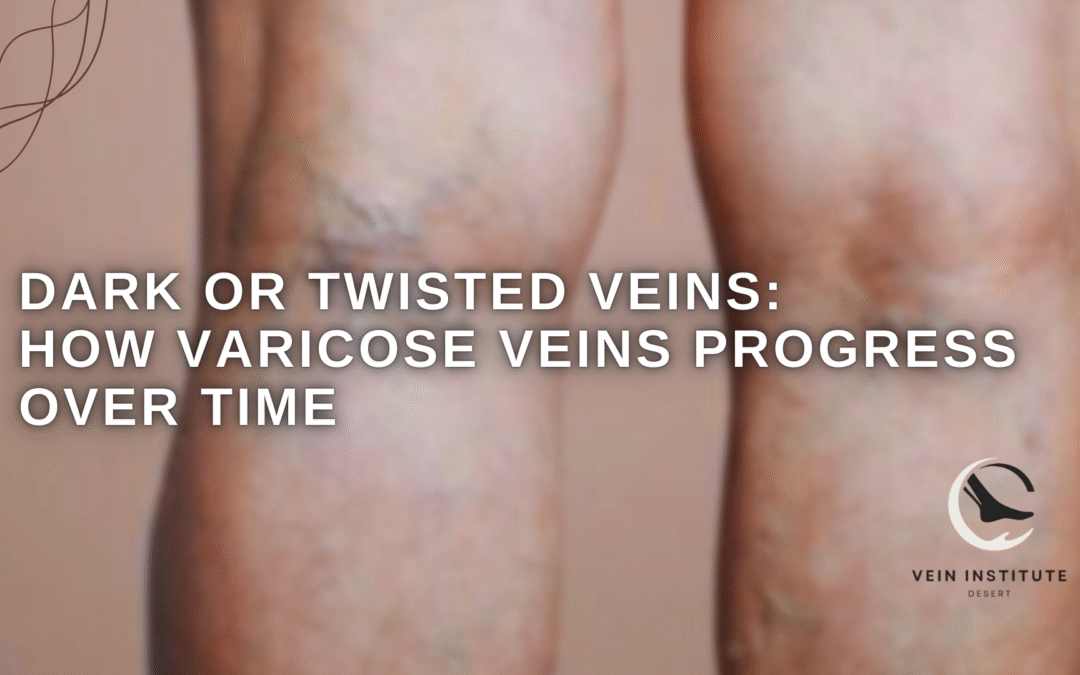
Dark or Twisted Veins: Signs of Varicose Vein Progression🩸
Visible veins that appear dark, twisted, or enlarged are often more than a cosmetic concern they can signal advancing vein disease. While some changes in vein appearance are subtle, others indicate structural and functional deterioration within the venous system. The lower legs, under constant pressure from gravity, are especially prone to these issues, revealing early signs of circulation inefficiency before other areas are affected.
🌫️ Why Veins Darken and Twist Over Time
Veins rely on one-way valves and healthy vessel walls to return blood to the heart efficiently. When these mechanisms weaken, blood can pool, causing veins to dilate and darken. Veins may become irregularly shaped or rope-like as the vessel walls stretch and bulge under increased pressure. Factors such as genetics, prolonged standing, obesity, and age-related changes can accelerate these structural alterations, leading to noticeable vein deformities and uneven skin texture along the lower limbs.
🧪 Stages of Varicose Vein Progression
The development of varicose veins typically follows a gradual trajectory. Early stages might present as faint, spider-like veins or mild discoloration. As circulation issues worsen, veins become more prominent, ropey, and sometimes painful. In advanced vein disease, dark veins legs can be accompanied by swelling, itching, or a heavy sensation. Recognizing these stages is crucial, as early intervention often prevents long-term complications.
🔍 Warning Signs That Require Attention
Persistent swelling, discomfort, or visible enlargement are indicators of compromised vein circulation issues. Individuals may notice leg fatigue or throbbing sensations, especially after prolonged periods of standing. Small injuries or skin discoloration around the affected areas can also signal venous inefficiency. Paying attention to these warning signs enables timely assessment and reduces the risk of chronic complications.
⚡ Diagnostic Tools: How Modern Medicine Tracks Progression
Early detection is critical, and the Vein Institute of The Desert provides comprehensive assessment for those experiencing these symptoms. Utilizing modern imaging techniques like vein ultrasound, specialists can visualize the structure, function, and efficiency of venous valves. This allows physicians to determine the extent of disease progression and tailor a treatment plan that addresses both symptoms and underlying vein health.
🏥 Treatment Approaches for Dark Veins
Dark veins treatment varies depending on the severity and progression of the condition. Conservative measures, such as compression therapy and lifestyle modifications, can alleviate symptoms and slow progression. For more serious stages, minimally invasive procedures like endovenous laser therapy or sclerotherapy target enlarged veins directly, restoring healthy blood flow while minimizing scarring. Combining accurate diagnostics with modern treatment ensures the most effective management of complex vein conditions.
🔍 Monitoring and Maintaining Vein Health
Even after treatment, ongoing attention to vein health is essential. Patients are encouraged to maintain regular movement, avoid prolonged standing, and follow lifestyle strategies that support healthy circulation. Regular check-ups at the Vein Institute of The Desert ensure that any recurrence or new vein issues are addressed promptly, helping individuals sustain optimal vascular health.
💡 Dark Veins Treatment Starts with Expert Care
Recognizing the signs of twisted or dark veins early enables targeted intervention before serious complications arise. By combining diagnostic precision, expert oversight, and individualized treatment strategies, patients can manage symptoms effectively and protect long-term leg health.
Andy Sharify
The founder and owner of The Vein Institute of the Desert. He oversees the clinic, ensuring exceptional service and a patient-focused approach to vein care. Andy is dedicated to creating a comfortable and supportive environment for every patient.