
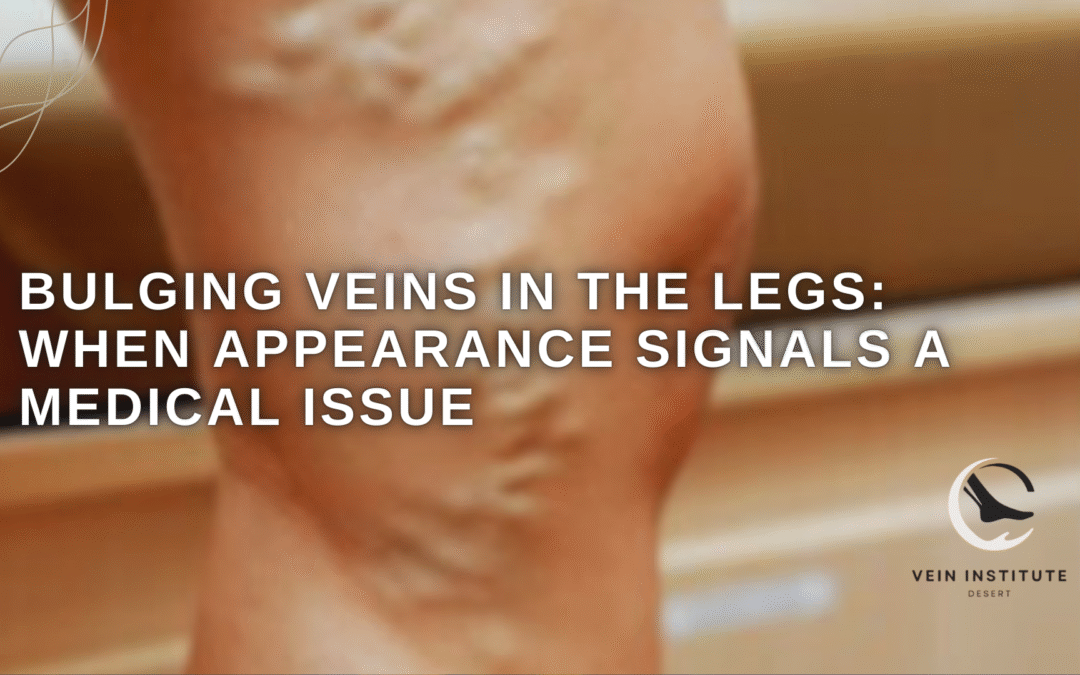
Bulging Veins in the Legs: When to See a Doctor 🦵
Bulging veins in the legs often begin as a visual concern. Many people first notice raised, twisted vessels along the calves or thighs and assume the issue is purely cosmetic. However, these changes frequently reflect deeper shifts within the circulatory system. Veins are responsible for returning blood upward against gravity, and when that process weakens, pressure builds where the workload is greatest the lower limbs. Over time, this pressure forces veins closer to the surface, altering both appearance and function.
🧬 Why Veins Begin to Bulge Over Time
Healthy veins rely on internal valves that open and close with each heartbeat and muscle contraction. These valves prevent blood from flowing backward. When they weaken or fail, blood pools within the vessel, stretching the vein walls. This process explains why bulging leg veins often appear rope-like, enlarged, or uneven beneath the skin.
Genetics, prolonged standing, hormonal changes, aging, and prior leg injuries all contribute to valve dysfunction. As pressure increases, veins lose elasticity and become more visible. In many cases, people first notice visible veins legs during warm weather or after long days on their feet, when circulation demands are highest.
⚠️ When Appearance Becomes a Health Concern
Not all enlarged veins require immediate medical care, but certain changes should never be ignored. Symptoms such as aching, heaviness, burning, or nighttime discomfort suggest that the veins are struggling to manage blood flow efficiently. These sensations often accompany varicose veins symptoms, indicating that circulation stress is no longer limited to appearance alone.
As pressure persists, surrounding tissues may also be affected. Skin around the ankles can darken, dry out, or become sensitive. These changes are early vein disease signs that signal progression beyond a cosmetic stage. Left unaddressed, ongoing pressure may increase the risk of inflammation, clot formation, or skin breakdown.
🔍 How Leg Vein Problems Progress
Vein-related conditions rarely appear suddenly. They develop gradually, moving from subtle surface changes to more disruptive physical symptoms. Early-stage leg vein problems may involve mild fatigue or tightness by evening. Over time, swelling becomes more noticeable, recovery slows after activity, and discomfort lasts longer.
As circulation efficiency declines, daily habits such as walking or standing can intensify symptoms. Many people adapt by limiting movement or elevating their legs frequently, unaware that these adjustments mask an underlying issue rather than resolving it. Early evaluation can interrupt this progression before complications arise.
🩺 When to Seek Professional Vein Care
Medical evaluation is recommended when bulging veins are accompanied by pain, swelling, skin changes, or reduced mobility. Consulting a vein specialist allows for precise assessment using non-invasive imaging such as duplex ultrasound. This technology evaluates blood flow patterns, valve performance, and pressure levels within the veins, identifying the true source of the problem.
Early diagnosis provides access to targeted treatments designed to restore healthy circulation and relieve pressure. These approaches not only improve comfort but also reduce the likelihood of long-term damage. Patients who seek care early often experience better outcomes and avoid advanced complications.
🧠 Why Early Attention Makes a Difference
Addressing vein issues in their earlier stages can prevent worsening symptoms and structural damage. Modern care focuses on improving circulation efficiency rather than simply managing surface changes. Guidance from experienced vein experts helps patients understand which veins are contributing to symptoms and how treatment can restore balance within the vascular system.
Bulging veins are not always dangerous, but they should never be dismissed outright. When appearance changes align with physical discomfort, the body is signaling that circulation needs attention. Timely evaluation supports healthier legs, improved mobility, and long-term vascular stability.
Andy Sharify
The founder and owner of The Vein Institute of the Desert. He oversees the clinic, ensuring exceptional service and a patient-focused approach to vein care. Andy is dedicated to creating a comfortable and supportive environment for every patient.