
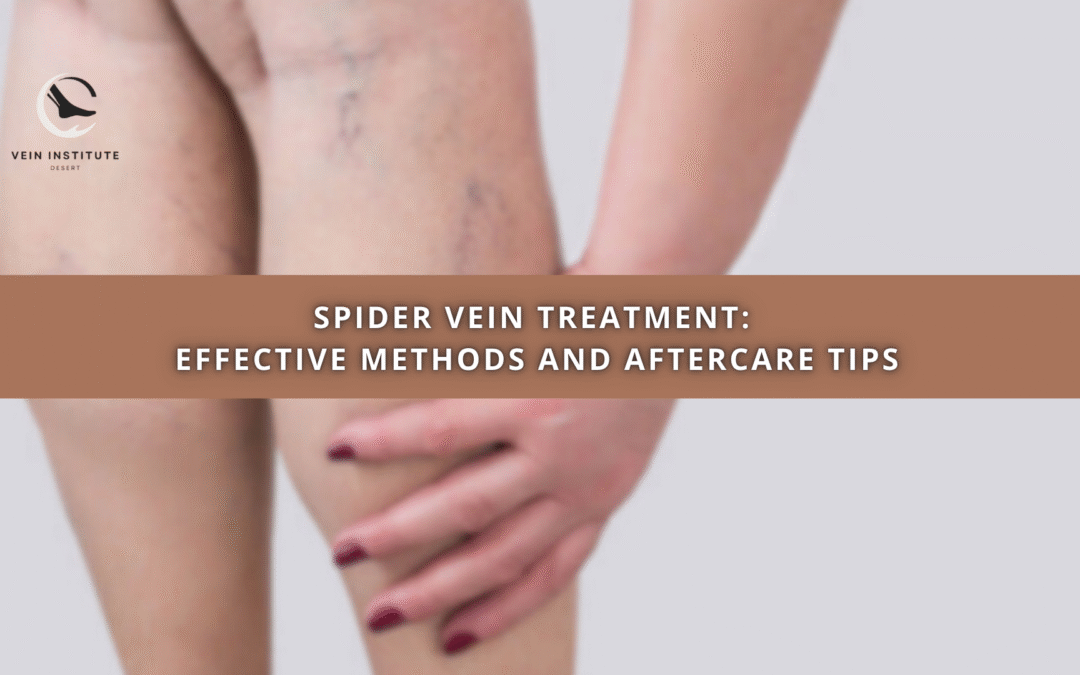
Spider Vein Treatment: Methods and Aftercare Tips
At The Vein Institute of the Desert in Palm Desert, patients seeking relief from visible veins can rely on professional care that combines advanced techniques with individualized guidance. Spider veins, though often viewed as a cosmetic concern, can also lead to discomfort such as leg heaviness, swelling, and occasional pain. Addressing these veins not only improves appearance but also enhances overall leg health. Each patient receives a careful evaluation to determine the most appropriate method for their condition, ensuring both safe and effective results.
🩺 Comprehensive Diagnostic Assessment
Before any treatment is considered, a detailed assessment of vein health is performed. Specialists utilize duplex ultrasonography to examine the circulatory system, evaluating vein structure and blood flow. This imaging helps identify underlying venous insufficiency that may contribute to spider veins. By analyzing both superficial and deeper veins, the medical team can develop a precise treatment plan tailored to the patient’s unique anatomy. Early detection of potential complications allows doctors to create strategies that prevent future vein issues while enhancing current treatment outcomes.
Identifying Risk Factors
Spider veins can be influenced by genetics, lifestyle, and age. Professionals assess factors such as prolonged standing, sedentary habits, pregnancy history, and previous vein conditions. Understanding these risk factors helps guide procedural choices and preventive measures. Patients also receive advice on lifestyle adjustments to minimize progression of vein problems, which may include incorporating physical activity, elevating the legs, and wearing compression garments when necessary.
💉 Modern Methods for Spider Vein Solutions
Several minimally invasive procedures are available to target spider veins effectively. Each technique is chosen based on vein size, location, and patient preference:
Sclerotherapy – a technique in which a medical solution is injected into the affected vein, causing it to collapse and fade over time. This procedure is widely regarded for its efficiency and minimal recovery time.
Laser and light-based therapies – suitable for smaller veins, these treatments use targeted light energy to close off the affected vessels without needles or incisions.
Specialists at The Vein Institute of the Desert ensure that each treatment is performed with precision to maximize results while minimizing discomfort. The choice of method often depends on a comprehensive evaluation of the patient’s overall vascular health, ensuring a customized approach rather than a one-size-fits-all solution.
Treatment Sessions and Expectations
Spider vein treatment often requires multiple sessions to achieve optimal results. The number of treatments varies depending on vein severity, patient goals, and the chosen method. Between sessions, patients are advised on activities and care routines that support the healing process, including compression therapy and gentle mobility exercises. Realistic expectations are discussed upfront, helping patients understand the timeline and expected outcomes for both cosmetic and health improvements.
🌿 Aftercare Tips for Recovery
Post-treatment care is a crucial component of long-term success. Following recommended guidelines reduces complications and enhances results. Key considerations include:
-
Compression garments – wearing them as instructed improves circulation and supports vein closure.
-
Activity modification – avoiding long periods of standing or sitting helps prevent increased pressure in the veins.
-
Gentle exercises – walking or low-impact movement encourages blood flow and accelerates healing.
-
Skin care – keeping treated areas clean and moisturized prevents irritation and promotes recovery.
By adhering to these steps, patients not only protect the treated veins but also contribute to overall leg vascular health. Medical professionals provide ongoing guidance to ensure recovery is smooth and effective.
🏃 Lifestyle Adjustments for Long-Term Vein Health
Even after successful procedures, lifestyle habits play a significant role in maintaining vein health. Preventive measures may include:
-
Regular exercise – activities that stimulate leg muscles, such as walking or cycling, improve circulation.
-
Weight management – maintaining a healthy weight reduces pressure on leg veins.
-
Leg elevation – periodically elevating the legs helps prevent blood pooling.
-
Avoiding prolonged standing or sitting – rotating between movement and rest reduces vein strain.
Educating patients about these practices empowers them to sustain treatment results while mitigating the development of new spider veins.
💠 Professional Guidance Ensures Lasting Results
Receiving care from trained specialists ensures high-quality, safe, and effective treatment. The team at The Vein Institute of the Desert prioritizes both the cosmetic appearance and functional health of veins, providing personalized solutions tailored to each patient. Regular follow-up visits allow monitoring of progress, adjustment of treatment plans, and reinforcement of preventive strategies. Patients benefit from a comprehensive approach that addresses both immediate concerns and long-term vascular wellness.
For individuals seeking professional spider vein treatment in Palm Desert, CA, The Vein Institute of the Desert offers advanced methods, attentive aftercare, and a patient-focused approach that ensures safe, lasting, and noticeable improvements.
Andy Sharify
The founder and owner of The Vein Institute of the Desert. He oversees the clinic, ensuring exceptional service and a patient-focused approach to vein care. Andy is dedicated to creating a comfortable and supportive environment for every patient.