
Heavy Legs and Fatigue: Hidden Circulation Link 🦵⚡
You wake up tired.
By mid-afternoon, your energy feels depleted. Coffee does little. Rest barely helps. Many adults in their 40s, 50s, and early 60s assume this exhaustion is hormonal, stress-related, or simply part of aging. Yet a frequently overlooked contributor lies much lower in the body — in the veins of the legs.
When patients describe persistent fatigue alongside heaviness, swelling, or visible varicose veins, I consider circulation immediately. The connection between heavy legs and fatigue is not abstract. It is physiological. Impaired venous return forces the body to work harder just to maintain baseline function.
How Venous Insufficiency Drains Energy 🔬
Healthy veins move blood upward against gravity with the help of one-way valves and muscle contractions. In chronic venous insufficiency, those valves weaken. Blood pools in the lower extremities. Pressure builds. Oxygen exchange becomes less efficient at the tissue level.
This constant circulatory strain affects more than the legs.
When blood stagnates:
• Muscles receive less efficient oxygen delivery
• Inflammatory markers increase locally
• Swelling creates tissue pressure
• The cardiovascular system compensates subtly
Patients often describe their legs as “weighted,” “tight,” or “burning.” That physical heaviness translates into reduced mobility. Reduced mobility lowers circulation further, creating a cycle that amplifies fatigue.
The body expends energy compensating for inefficient return flow. Over time, that effort becomes noticeable as persistent tiredness.
Why Heavy Legs Feel So Exhausting ⚖️
Heaviness is not simply a sensation. It reflects increased venous pressure. By late afternoon, gravity has acted on compromised veins for hours. Fluid accumulates. Calves feel tight. Ankles swell.
In many patients, the fatigue improves when legs are elevated. This is a crucial clinical clue. Elevation assists venous return, reduces pressure, and restores more efficient circulation. When heaviness decreases, energy often improves as well.
This relationship highlights the hidden circulation link between heavy legs and fatigue. The issue is not lack of willpower or poor sleep. It is impaired flow.
The Role of Inflammation and Microcirculation 🌡️
Chronic venous hypertension triggers low-grade inflammation. Over time, inflammatory mediators affect surrounding tissues and small nerve endings. This contributes to aching, restlessness, and disrupted sleep.
Poor sleep compounds daytime fatigue. Patients frequently report waking unrefreshed after nights marked by leg discomfort.
In advanced cases, skin discoloration or venous ulcers may develop. These changes further increase inflammatory burden and systemic strain.
The cumulative effect is subtle but significant: persistent low energy rooted in local vascular dysfunction.
Signs Circulation May Be the Cause 🚩
Consider a vascular evaluation if fatigue is accompanied by:
1️⃣ Leg heaviness that worsens as the day progresses
2️⃣ Visible varicose or spider veins
3️⃣ Ankle swelling that improves with elevation
4️⃣ Skin darkening near the lower legs
5️⃣ Nighttime cramping or restlessness
Not all fatigue originates in the veins. However, when these features coexist, circulation deserves attention.
In Palm Desert’s warm climate, prolonged standing, outdoor activity, and heat-induced vasodilation can further stress already weakened veins, intensifying symptoms.
How Diagnosis Changes Outcomes 🩺
A proper evaluation includes physical examination and duplex ultrasound imaging to assess venous valve function and reflux. Identifying abnormal blood flow patterns allows targeted treatment.
When venous insufficiency is treated — whether through minimally invasive procedures, compression therapy, or lifestyle modification — patients often report not only lighter legs but improved overall stamina.
Addressing the underlying circulatory issue reduces pressure, improves oxygen delivery, and interrupts the inflammatory cycle contributing to fatigue.
Information about evaluation and treatment options is available at .
Energy Restoration Begins with Circulation 🔄
Many adults accept chronic tiredness as inevitable. Yet the body is designed for efficient circulation. When that system falters, symptoms extend beyond cosmetic vein changes.
Fatigue should not be dismissed without considering vascular health. If elevating your legs brings relief, if swelling worsens by evening, or if visible veins accompany your exhaustion, a circulatory evaluation may uncover a treatable cause.
Your energy reserves depend on efficient blood flow. When the veins struggle, the entire body feels the impact.
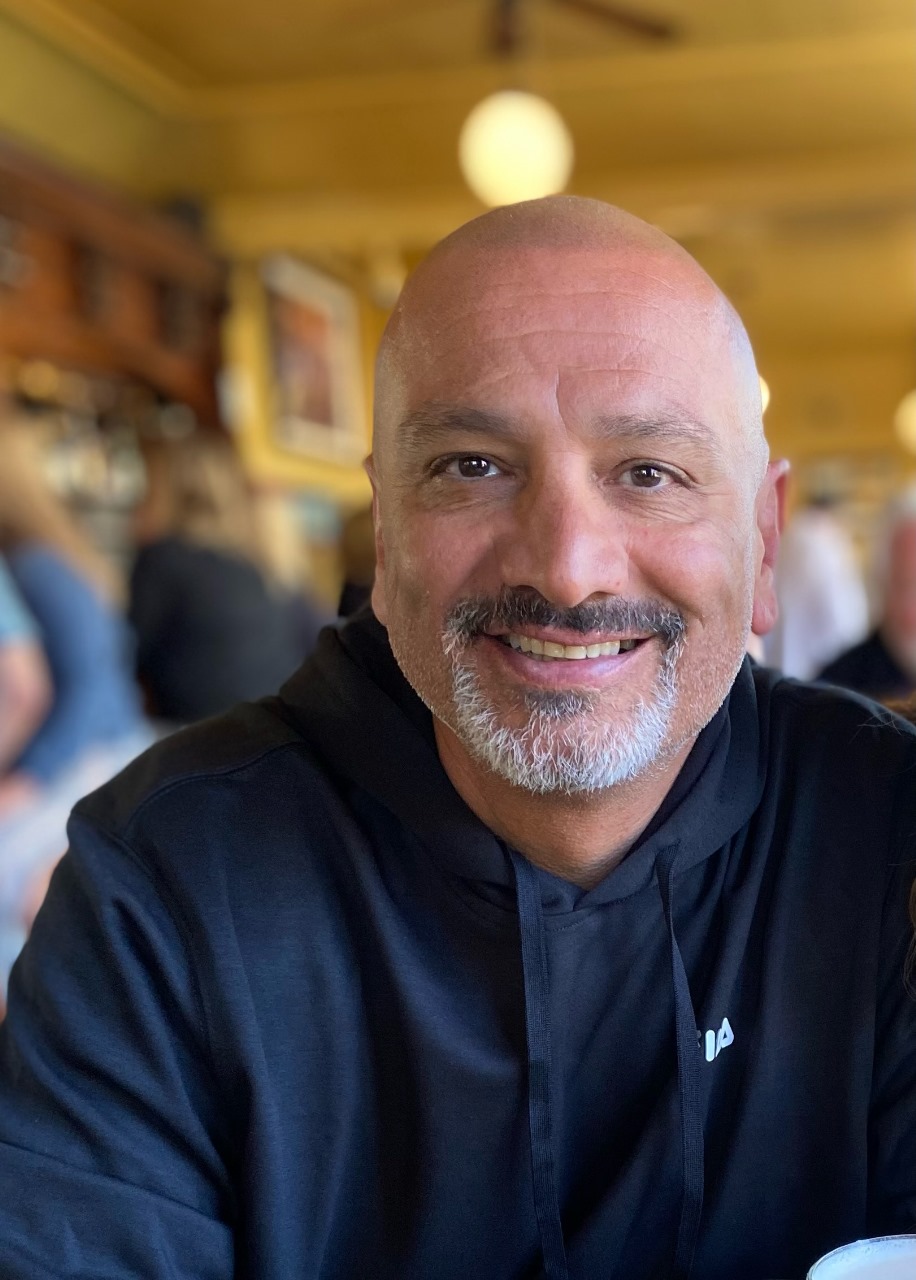
Andy Sharify
The founder and owner of The Vein Institute of the Desert. He oversees the clinic, ensuring exceptional service and a patient-focused approach to vein care. Andy is dedicated to creating a comfortable and supportive environment for every patient.