
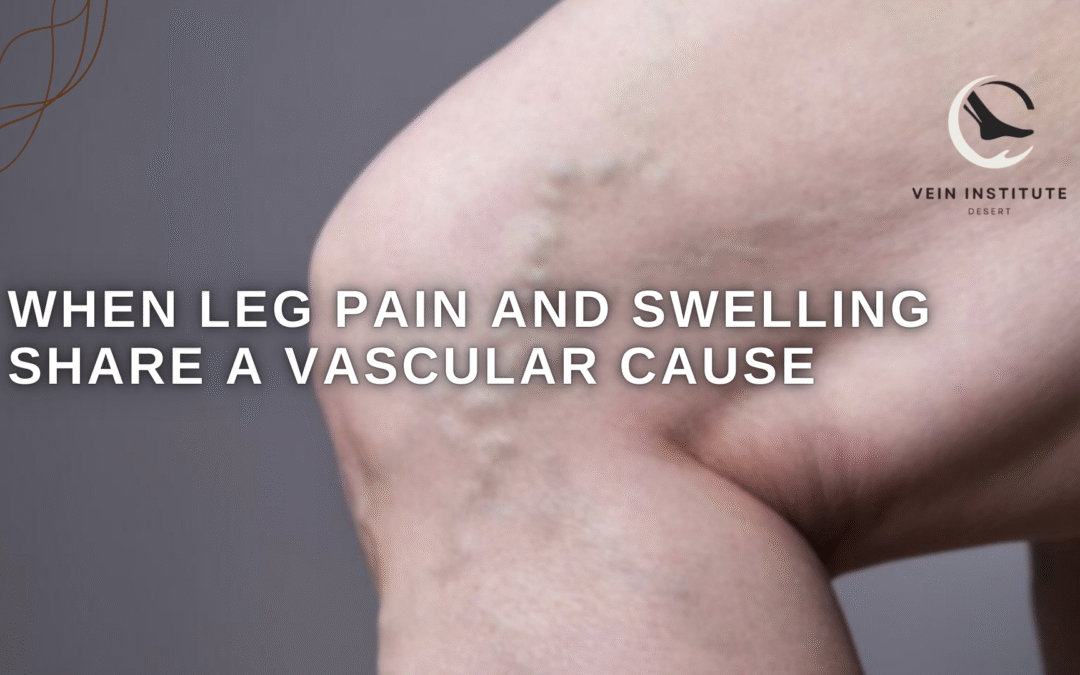
The Shared Root of Leg Pain and Swelling 🦵💢
Leg discomfort and swelling are often treated as isolated issues, but in many cases, they share a common vascular origin. When blood flow through the lower extremities is impaired, pressure builds within the veins, stretching vessel walls and causing fluid to leak into surrounding tissue. This combination of mechanical strain and fluid accumulation produces the sensations and visual changes many patients experience as leg pain and swelling.
🔍 How Vein Dysfunction Contributes to Symptoms
Poor venous return disrupts the natural circulation pattern in the legs, leading to increased hydrostatic pressure. Over time, this can trigger vein dilation, valve incompetence, and eventual vessel remodeling. Vein walls become weaker, allowing blood to pool and exacerbate fluid retention. As a result, the skin may feel tight or heavy, and patients can notice redness or warmth. These early signs are often subtle, which can delay recognition and prompt care.
Inflammatory mediators respond to prolonged venous congestion. While initially protective, chronic exposure leads to tissue changes, including fibrosis, skin thickening, and increased fragility. This environment not only amplifies discomfort but also impairs normal repair mechanisms, making the legs more vulnerable to injury or infection.
🩺 Recognizing Overlapping Vein Disease Symptoms
Many individuals normalize persistent heaviness, cramping, or discoloration, attributing it to long workdays or aging. However, these manifestations often indicate underlying venous insufficiency. Untreated, the condition can evolve, creating a cycle where swelling, discomfort, and skin changes reinforce one another. Other common manifestations include restless legs, night cramps, and visible varicose veins.
Early recognition of symptom patterns is essential. Consulting a vein specialist in Palm Desert or another qualified vascular expert can clarify the cause and determine whether imaging or other diagnostic tests are warranted. Timely evaluation helps differentiate vascular-related leg issues from musculoskeletal or systemic causes, ensuring that interventions target the underlying circulation problem rather than just alleviating temporary discomfort.
⚡ Complications of Ignoring Vascular Causes
When vein issues remain untreated, chronic congestion can progress to more severe conditions. Skin breakdown, venous ulcers, and pigmentation changes may appear, signaling long-term tissue stress. The combination of reduced oxygenation, inflammation, and mechanical strain increases the likelihood of infection and delayed wound healing. Persistent edema also places extra strain on surrounding muscles and joints, which can worsen overall mobility and quality of life.
- ⚡ Persistent venous pressure that remodels vessel structure
- 🩸 Reduced oxygenation leading to tissue fragility
- ⏳ Slower healing responses and increased infection risk
💡 Practical Approaches to Manage Symptoms
Even while awaiting professional assessment, patients can take steps to reduce the impact of venous congestion. Simple measures include elevating the legs to encourage blood flow back to the heart, avoiding prolonged standing or sitting, maintaining adequate hydration, and supporting circulation with gentle mobility exercises. Compression garments may also help regulate pressure within the veins, but proper fitting and guidance from a vascular professional are essential to avoid complications.
📈 Long-Term Implications for Leg Health
Repeated episodes of swelling and discomfort can leave lasting tissue changes if not addressed. Chronic inflammation and microvascular compromise can impair nutrient and oxygen delivery to the skin and underlying structures. Over time, this increases susceptibility to further damage and slows recovery from minor injuries. Coordinated management with a vein specialist to ensure that both prevention and intervention strategies are tailored to the patient’s circulation profile, reducing the risk of progression.
🌿 Integrating Lifestyle and Medical Interventions
Optimal outcomes come from combining medical treatment with lifestyle adjustments, such as regular movement, proper hydration, and dietary support. These strategies, together with guidance from a vein specialist, help address underlying vascular issues, reduce symptom recurrence, and promote long-term leg health and comfort.
Andy Sharify
The founder and owner of The Vein Institute of the Desert. He oversees the clinic, ensuring exceptional service and a patient-focused approach to vein care. Andy is dedicated to creating a comfortable and supportive environment for every patient.