
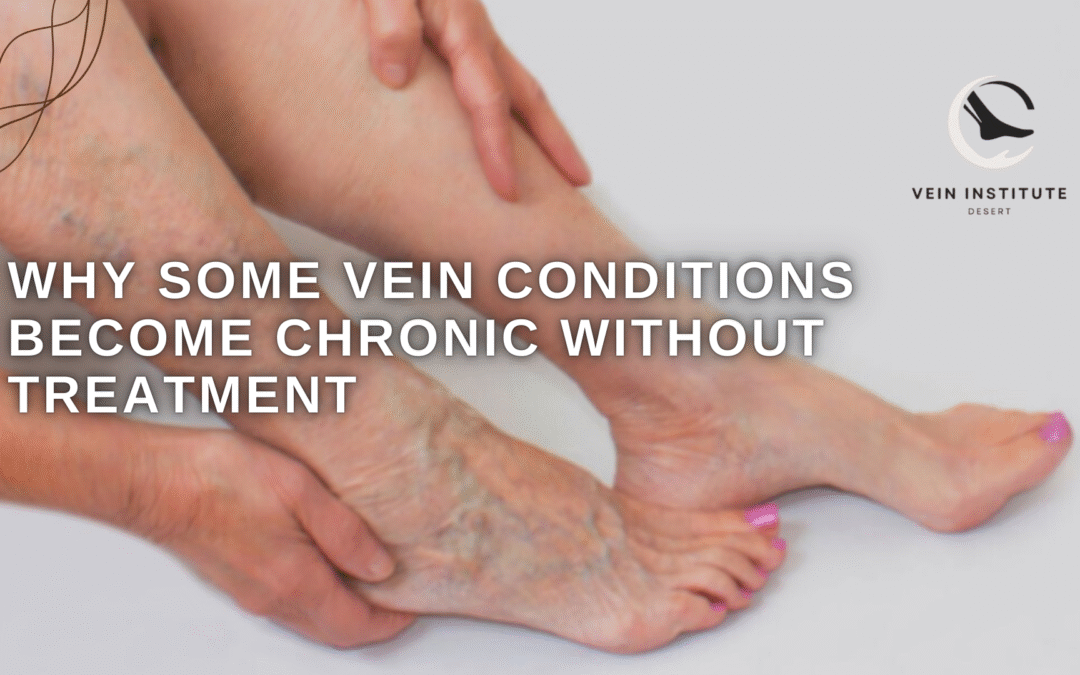
How Vein Conditions Turn Chronic 🩸
Vein disorders rarely become severe overnight. In most cases, they progress quietly, shaped by delays in diagnosis, gradual biological changes, and the tendency to normalize early discomfort. When early warning signs are ignored or misattributed to routine fatigue or aging, what begins as a manageable issue can evolve into chronic vein conditions that interfere with mobility, healing, and overall vascular health. The transition from temporary dysfunction to long-standing disease is driven by time, pressure, and repeated stress on the venous system.
⏳ Delayed Diagnosis and the Illusion of “Normal”
One of the most common reasons vein disorders worsen is delayed medical attention. Early-stage venous problems often produce mild, inconsistent sensations rather than acute pain. Because these changes do not always disrupt daily routines, individuals may adapt rather than investigate. This delay allows structural stress within the veins to persist, increasing internal pressure and impairing valve efficiency.
As blood struggles to return upward against gravity, pooling becomes more pronounced. Over months or years, the vein walls endure continuous strain, losing elasticity and resilience. Without intervention, the circulatory system compensates poorly, setting the stage for long-term damage that is far more difficult to reverse than early dysfunction.
🧠 Symptom Normalization and Missed Warning Signs
Another factor accelerating progression is symptom normalization. Many people reinterpret early vein disease symptoms as consequences of long workdays, prolonged standing, or reduced activity. Swelling that subsides overnight or heaviness that appears only in the evening is often dismissed. This mental reframing delays evaluation and allows inflammation to become persistent rather than episodic.
Over time, low-grade inflammation alters surrounding tissues. Capillary exchange becomes less efficient, oxygen delivery declines, and waste products accumulate. These microscopic changes gradually impair skin integrity and healing capacity, increasing vulnerability to complications that signal advanced disease.
🔬 How Progression Reshapes Venous Health
As untreated venous dysfunction continues, biological changes compound. Valves that once closed effectively may begin to gap, permitting backward flow. Blood stasis encourages inflammatory signaling, which thickens vein walls and narrows the vessel lumen. This cycle reinforces itself, transforming intermittent discomfort into daily limitation.
Key progression risks often include:
- ⚡ Persistent venous pressure that remodels vessel structure
- 🩸 Reduced oxygenation leading to tissue fragility
- ⏳ Slower healing responses and increased infection risk
This stage marks a shift from functional inconvenience to systemic impairment, where localized vein problems influence broader circulation issues throughout the lower extremities.
🏥 Role of Specialized Evaluation
Geography and climate can further complicate venous health. Heat promotes vasodilation, increasing venous load and intensifying symptoms. Coordinated assessment through a specialized vein clinic in Palm Desert setting allows clinicians to account for environmental factors, lifestyle demands, and disease stage simultaneously. Comprehensive evaluation helps identify whether symptoms reflect early dysfunction or established pathology, guiding timely intervention rather than reactive care.
🔄 Long-Term Risks of Leaving Vein Disorders Untreated
When vein disease progresses unchecked, the consequences extend beyond discomfort. Chronic inflammation and impaired blood return can lead to skin discoloration, hardening of subcutaneous tissues, and wounds that resist closure. Each unresolved episode increases the likelihood of recurrence, gradually narrowing treatment options. What was once a reversible process becomes a long-term management challenge, emphasizing why early recognition and action are central to preserving vascular health.
🧩 Vein Disease Symptoms and Progression Risks
Recognizing patterns rather than isolated sensations is essential. Early signals, when viewed collectively, often reveal a trajectory toward chronicity. Addressing venous changes promptly supports healthier blood flow, reduces inflammatory stress, and preserves tissue integrity before irreversible damage occurs.
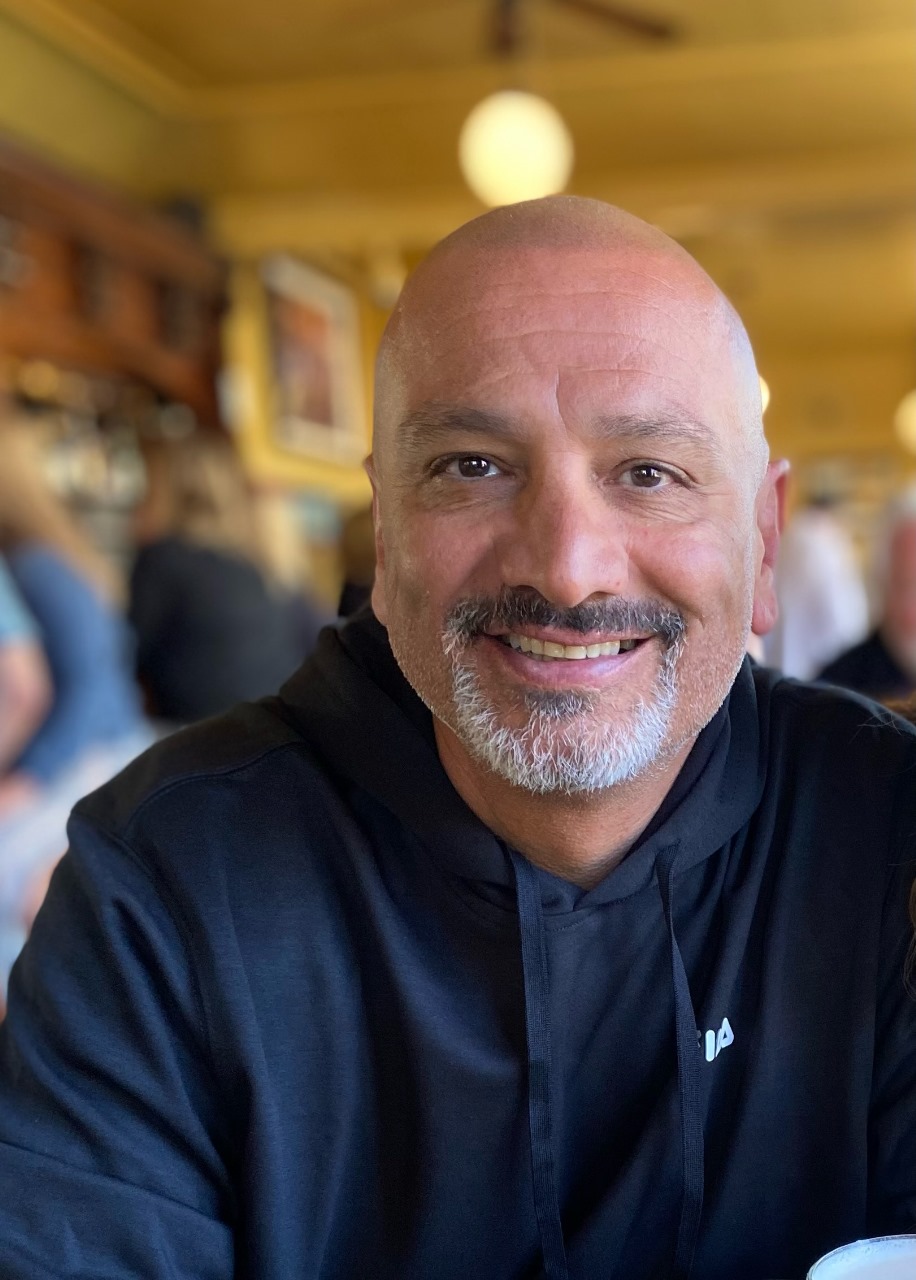
Andy Sharify
The founder and owner of The Vein Institute of the Desert. He oversees the clinic, ensuring exceptional service and a patient-focused approach to vein care. Andy is dedicated to creating a comfortable and supportive environment for every patient.