
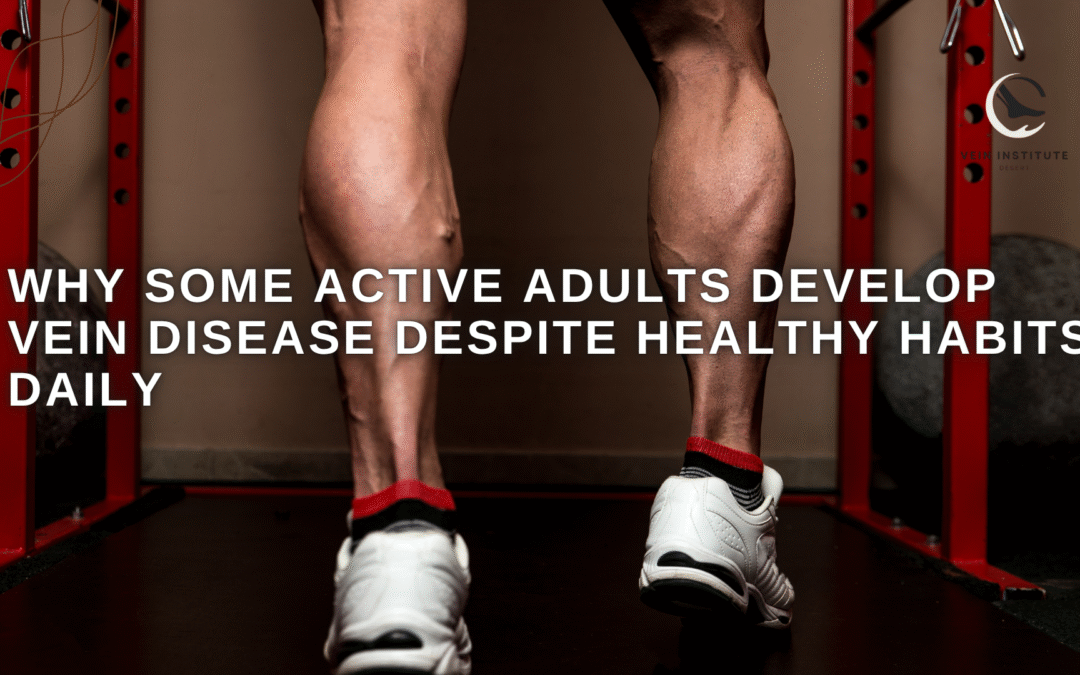
Why Active Adults Still Develop Vein Disease Symptoms 🏃
An active lifestyle is often associated with better heart health, stronger circulation, and reduced risk of many chronic conditions. So when physically active adults begin noticing leg heaviness, swelling, visible veins, or unexplained discomfort, the reaction is often confusion. How can circulation problems develop despite doing “everything right”?
The reality is that exercise and healthy habits support vascular health, but they do not make someone immune to vein conditions. Several underlying factors can influence circulation in ways that regular activity alone cannot fully prevent.
🩺 Exercise Helps, But It’s Not Complete Protection
Movement plays an important role in helping blood return from the legs back toward the heart. Walking, stretching, and regular physical activity activate the calf muscles, which assist circulation and reduce blood pooling.
That said, healthy habits do not eliminate every vascular risk factor. Some circulation problems develop because of structural or inherited issues rather than lifestyle alone.
🧬 Genetics Can Override Good Habits
Family history remains one of the strongest contributors to vascular conditions. If close relatives have experienced enlarged veins, chronic circulation issues, or venous insufficiency, the likelihood increases regardless of exercise habits.
Some people inherit weaker vein walls or valve dysfunction that gradually affects blood flow over time. This means even physically active adults can develop vein disease symptoms despite maintaining healthy routines.
⏳ Prolonged Standing Can Still Create Problems
Many active adults have jobs or routines that involve long hours on their feet. Fitness instructors, healthcare professionals, retail workers, hospitality staff, and teachers may stay physically active overall while still experiencing prolonged standing pressure.
Remaining upright for extended periods increases pressure inside the lower-leg veins, making it harder for blood to move upward efficiently. Over time, this repeated strain can contribute to circulation issues.
🎂 Aging Changes Vein Function
Even healthy bodies experience structural changes over time. As people age, vein walls and internal valves naturally lose some elasticity and strength.
This can make blood flow less efficient, increasing the likelihood of pressure buildup, swelling, or enlarged visible vessels. Aging is a biological factor that exercise may support but cannot completely prevent.
⚠️ Early Circulation Problems Can Be Subtle
Vascular conditions do not always begin dramatically. Many symptoms develop gradually and may be easy to dismiss in active individuals who assume discomfort comes from workouts or physical exertion.
Common warning signs may include:
- Persistent leg heaviness after normal daily activity
- Swelling around the ankles or lower legs
- Burning or throbbing sensations
- Visible enlarged or twisted veins
- Fatigue in the lower limbs
- Recurring nighttime cramping
These symptoms may overlap with exercise fatigue, which is why they are sometimes overlooked.
🩻 Not All Circulation Problems Are Lifestyle-Related
An active lifestyle improves general vascular health, but structural venous dysfunction can still occur. Internal valve weakness, inherited anatomy, hormone-related factors, and occupational strain may all contribute independently of exercise habits.
This is one reason some physically fit adults still develop conditions associated with varicose veins or chronic venous insufficiency.
🔍 When Symptoms Deserve Attention
Being active does not automatically explain away persistent discomfort. If heaviness, swelling, visible vascular changes, or unexplained fatigue continue returning, it may point to an underlying circulation issue rather than normal physical strain.
Healthy routines are valuable, but they are not a guarantee against vascular disease. Identifying the actual cause of symptoms is often the key to determining whether the issue reflects exercise recovery, temporary strain, or a deeper circulation concern.

Andy Sharify
The founder and owner of The Vein Institute of the Desert. He oversees the clinic, ensuring exceptional service and a patient-focused approach to vein care. Andy is dedicated to creating a comfortable and supportive environment for every patient.