
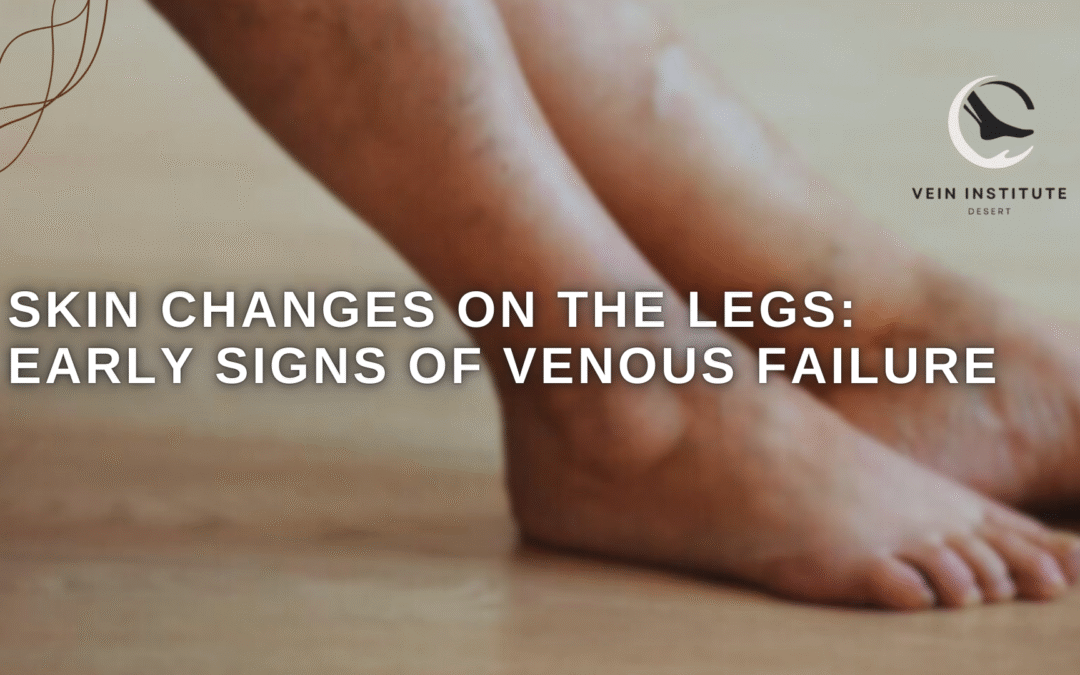
Skin Changes Caused by Venous Insufficiency 🦵🩺
Skin is often the first visible indicator that circulation in the lower limbs is no longer functioning as it should. Long before pain becomes severe or mobility is affected, subtle alterations in color, texture, and resilience can appear on the legs. These changes are frequently dismissed as cosmetic issues, signs of aging, or temporary reactions to heat. In reality, they may reflect deeper problems within the venous system that deserve attention. Recognizing how these visible cues develop helps patients and caregivers identify risk earlier and better appreciate what the body is signaling.
🌡️ How Impaired Circulation Affects Skin Health
Veins in the legs work against gravity to return blood to the heart. When this process becomes inefficient, blood begins to pool in the lower extremities, increasing pressure within the vessels. Over time, this pressure alters how nutrients and oxygen are delivered to surrounding tissues. Skin cells, which rely on consistent circulation for renewal and repair, respond to this stress by changing appearance and behavior.
Reduced oxygen delivery can slow cellular turnover, leading to dull or uneven tone. At the same time, waste products linger longer in the tissues, contributing to inflammation. These physiological shifts explain why early vein-related skin issues may appear gradually and without discomfort, making them easy to overlook in daily life.
🎨 Skin Discoloration Legs Often Reveal More Than Aesthetic Concerns
One of the most common early signs involves changes in pigmentation. Brownish, purplish, or reddish hues may develop around the ankles or lower calves. This occurs when red blood cells leak from stressed vessels into surrounding tissue, where they break down and release iron-rich pigments. The resulting discoloration tends to darken over time and rarely fades on its own.
Such color changes are not uniform. They may appear as patches, gradients, or mottled areas that slowly expand. Many individuals assume these marks are bruises or sun-related effects, especially in warmer climates. However, their persistence and gradual progression often signal underlying circulation strain rather than surface-level skin damage.
🧬 Texture Changes and Why They’re Frequently Ignored
Beyond color, texture provides important clues. Skin may become dry, itchy, or unusually tight. In some cases, it thickens and takes on a leathery feel, while in others it becomes fragile and prone to irritation. These changes stem from chronic inflammation and altered fluid balance in the tissues.
Because these sensations resemble common dermatological issues such as eczema or allergic reactions, they are often treated with topical products alone. While moisturizers may ease discomfort temporarily, they do not address the circulatory imbalance driving the symptoms. This mismatch between cause and response contributes to delayed recognition of vein disease symptoms.
🔍 Why Early Warning Signs Rarely Trigger Concern
- 🕰️ Changes develop gradually, allowing people to adapt without noticing steady progression.
- 😌 Early stages are usually painless, which reduces urgency to seek medical advice.
- 🎭 Leg appearance changes are often viewed as cosmetic or age-related rather than medical.
- 🧠 Many individuals are unaware of the strong link between skin health and vascular function.
- 🔗 Without that connection, discoloration or dryness is rarely associated with circulation issues.
- 📘 Limited awareness allows visible signs to be ignored until internal stress becomes more advanced.
🩸 The Relationship Between Skin Changes and Venous Failure
As venous pressure continues to rise, the risk of more serious complications increases. Persistent pooling of blood can weaken vessel walls and valves further, accelerating disease progression. Skin that has been chronically inflamed becomes less resilient, making it more susceptible to breakdown and injury.
This stage marks a transition where surface symptoms reflect deeper structural problems. The term venous failure describes this advanced loss of effective blood return, where compensatory mechanisms are no longer sufficient. Identifying skin changes before reaching this point can significantly influence long-term outcomes and quality of life.
🏜️ Environmental Factors That Intensify Leg Skin Symptoms
Climate can amplify these processes. Heat causes veins to dilate, which may worsen blood pooling in the legs. Dehydration thickens the blood slightly, increasing resistance to flow and placing additional strain on already stressed vessels. In desert regions, prolonged exposure to high temperatures can therefore accelerate visible skin changes.
Vein institute Palm Desert emphasize the importance of considering environmental context when evaluating leg symptoms. Patients living in hot, dry areas may notice faster progression or more pronounced skin effects compared to those in milder climates.
📚 Why Medical Insight Matters for Skin-Based Clues
Interpreting skin changes accurately requires knowledge of both dermatology and vascular health. While surface treatments may ease irritation, they are most effective when circulation patterns are also considered in cases where vein-related causes are suspected. Clinicians trained in vascular assessment can differentiate between isolated skin conditions and indicators of broader circulatory strain.
Specialized vascular centers play an important role in advancing patient education on how circulation disorders manifest visually. Clinical observations and long-term research emphasize the value of recognizing early signs rather than waiting for advanced complications to develop.
🧠 Building Awareness Around Vein Disease Symptoms
Knowledge empowers patients to notice patterns rather than isolated issues. When discoloration, texture changes, swelling sensations, or persistent irritation appear together, they often tell a cohesive story about circulatory health. Paying attention to these combinations encourages timely medical conversations and more informed decision-making.
Skin is not merely a protective covering; it is a responsive organ that mirrors internal conditions. Changes on the legs deserve thoughtful attention, particularly when they persist or progress. By recognizing how surface signs relate to deeper vascular function, individuals can better protect long-term leg health and overall circulation stability.

Andy Sharify
The founder and owner of The Vein Institute of the Desert. He oversees the clinic, ensuring exceptional service and a patient-focused approach to vein care. Andy is dedicated to creating a comfortable and supportive environment for every patient.