
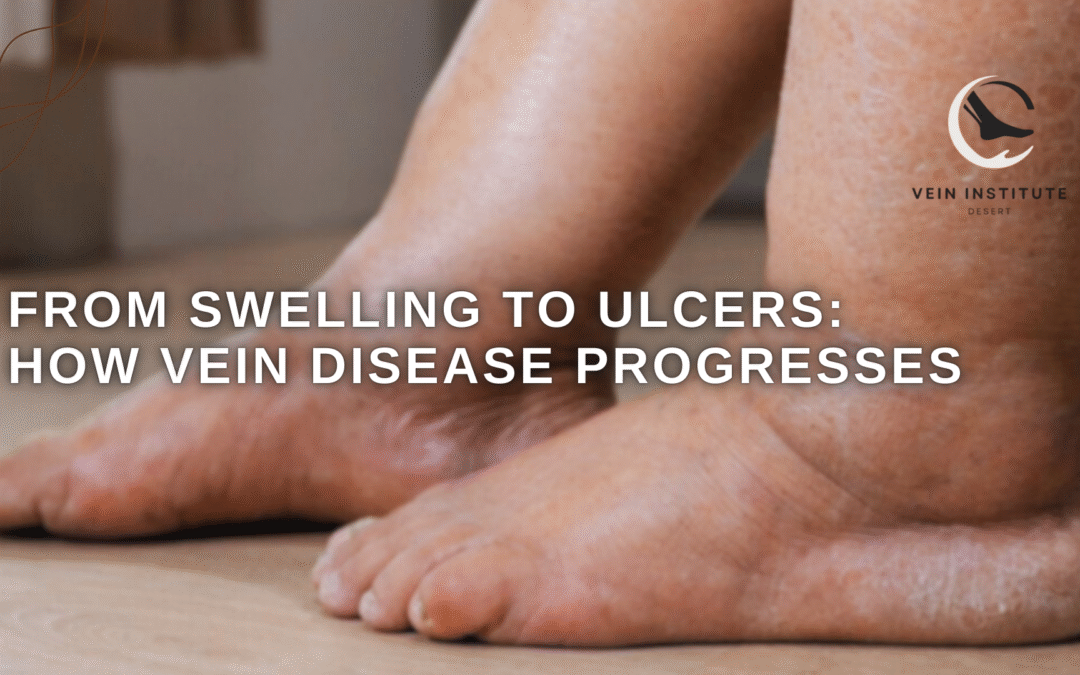
The Progressive Stages of Vein Disease 🦵🩸
Problems within the leg veins rarely appear overnight. In most patients, symptoms develop slowly, advancing through predictable stages that are often overlooked or dismissed as minor inconveniences. What begins as mild heaviness or swelling can gradually evolve into visible skin damage and serious complications if left unmonitored.
Early Circulatory Strain and Subtle Warning Signs 🌡️
The earliest phase typically involves functional strain within the veins of the lower extremities. Veins are responsible for carrying blood upward against gravity, relying on one-way valves and muscle movement to assist circulation. When these mechanisms begin to weaken, blood can pool in the legs for longer periods, especially after standing or sitting for extended hours.
At this stage, symptoms are often intermittent. Patients may notice ankle fullness by the end of the day, a sensation of tightness around the calves, or mild fatigue that improves with leg elevation. These signs are frequently attributed to aging, heat exposure, or lifestyle factors, which delays further evaluation. However, consistent swelling patterns signal that circulation efficiency is changing beneath the surface.
Persistent Swelling and Valve Dysfunction 🔄
As circulation challenges continue, swelling becomes more noticeable and longer-lasting. Fluid accumulation may extend beyond the ankles and involve the lower calves. This stage reflects increasing valve dysfunction, where backward blood flow places sustained pressure on vein walls.
Over time, this pressure contributes to vein enlargement and reduced elasticity. Patients may experience aching, throbbing, or a heavy sensation that worsens throughout the day. Shoes may feel tighter, and indentation marks from socks can linger longer than expected. These changes indicate that the condition is no longer temporary but structurally influencing the veins.
Visible Vein Changes and Skin Sensitivity 👀
Prolonged venous pressure can cause noticeable physical changes. Key indicators include:
- 🩸 Prominent or Twisted Veins: Surface veins may become more visible, raised, or darkened in color.
- 🌡️ Skin Sensitivity: Lower leg skin may feel tender, itchy, or easily irritated due to reduced nutrient and oxygen delivery.
- 🎨 Discoloration: Brownish or purplish patches near the ankles indicate iron deposits from blood cells leaking into surrounding tissue.
- ⚠️ Early Signs of Chronic Venous Disease: These changes signal that circulation inefficiency is affecting both skin health and tissue integrity.
Inflammation and Progressive Skin Damage 🔬
As the condition advances, inflammation plays a central role. The skin may thicken, harden, or develop a leathery texture, particularly around the lower calf and ankle regions. Small injuries heal more slowly, and even minor scrapes can become problematic due to reduced blood flow.
Persistent inflammation compromises the skin’s protective barrier. Patients may notice flaking, redness, or recurring irritation that does not respond well to topical treatments. These changes indicate that the veins are no longer supporting healthy tissue maintenance, increasing vulnerability to more serious complications.
Advanced Breakdown and Venous Ulcers ⚠️
In later stages, sustained pressure and inflammation can lead to open wounds known as venous ulcers. These typically form near the ankles and are often shallow but slow to heal. Because circulation is compromised, oxygen and nutrients cannot reach the affected area efficiently, prolonging recovery.
Ulcers may begin as small sores but can expand without proper management. They are often accompanied by surrounding skin discoloration, swelling, and discomfort. This stage significantly affects mobility and quality of life, emphasizing the importance of recognizing earlier warning signs.
Monitoring Progression and Clinical Oversight 🩺
Tracking symptom changes over time is essential for preventing advanced complications. Regular observation of swelling patterns, skin appearance, and discomfort levels can provide valuable insight into disease activity. Medical evaluation allows for accurate staging and identification of circulation patterns that may not be visible externally.
Vein Institute of the Desert emphasize structured assessment to identify risk factors early. Collaboration with a qualified vein specialist patients trust ensures that subtle changes are evaluated before irreversible damage occurs.
Long-Term Impact on Mobility and Daily Life 🚶♂️
As venous conditions progress, daily activities can become increasingly difficult. Persistent swelling and skin sensitivity may limit standing tolerance, exercise capacity, and footwear options. Discomfort often extends beyond physical symptoms, affecting sleep quality and overall well-being.
Early recognition allows individuals to adapt habits, monitor changes, and seek timely guidance. By identifying progression patterns before advanced stages develop, patients preserve mobility and reduce the likelihood of long-term skin complications.
Recognizing Patterns Before They Escalate 🧠
Vein-related conditions follow a gradual but consistent path when left unmanaged. Each stage builds upon the previous one, transforming mild symptoms into structural and skin-level damage over time. Awareness of these stages empowers patients to recognize when changes are no longer benign.
By observing swelling, skin changes, and discomfort patterns early, individuals gain the opportunity to intervene before complications limit comfort or independence. Clear recognition of progression remains the most effective tool for protecting long-term leg health.

Andy Sharify
The founder and owner of The Vein Institute of the Desert. He oversees the clinic, ensuring exceptional service and a patient-focused approach to vein care. Andy is dedicated to creating a comfortable and supportive environment for every patient.