
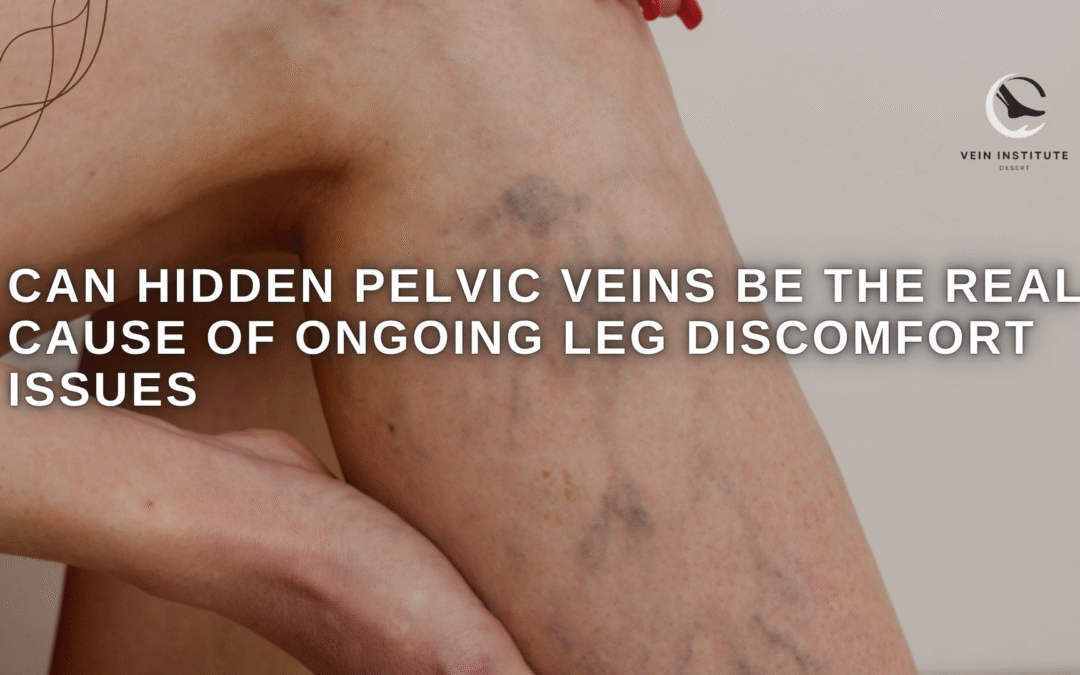
Can Hidden Pelvic Veins Cause Chronic Leg Discomfort? 🩺
Chronic leg discomfort is often blamed on muscle strain, joint issues, nerve irritation, or visible circulation problems in the lower limbs. But sometimes, the real source sits much higher in the body and remains completely unnoticed during routine evaluations.
Hidden pelvic vein problems can contribute to ongoing lower limb symptoms, yet they are frequently overlooked because they are not always obvious during standard examinations. When the true source is missed, patients may continue experiencing discomfort despite treatment aimed at the wrong cause.
🔍 How Hidden Pelvic Veins Affect the Legs
Veins in the pelvic region play an important role in returning blood efficiently through the body. When these vessels become enlarged, compressed, or dysfunctional, circulation pressure can build and affect surrounding vascular pathways.
That pressure may contribute to leg discomfort, heaviness, swelling, or unexplained aching even when the problem is not located directly in the legs themselves.
Because symptoms can appear far from the actual source, diagnosis becomes more complex.
⚠️ Why Standard Evaluations May Miss the Problem
Routine vascular evaluations often focus on the lower extremities, especially when symptoms are concentrated in the legs. While this approach is appropriate in many cases, it may not reveal hidden circulation issues originating deeper in the pelvic region.
🩻 Symptoms Without Obvious Surface Findings
Some patients experience persistent discomfort without clearly visible bulging veins or obvious lower-limb abnormalities. This can make the problem seem unrelated to vascular health at first glance.
📍 The Source May Be Higher Than Expected
If problematic circulation originates in pelvic veins, imaging focused only on the legs may fail to identify the true issue. As a result, symptoms may persist despite otherwise appropriate care.
🧩 Overlap With Other Conditions
Chronic lower-limb symptoms can resemble orthopedic, neurological, or muscular problems. This overlap sometimes delays accurate vein diagnosis, especially when symptoms do not follow classic patterns.
🦵 Symptoms Patients Should Watch For
Hidden pelvic circulation problems can create a range of symptoms depending on severity and the affected vascular pathways. Common warning signs may include:
- Persistent aching or heaviness in the legs
- Swelling without a clear explanation
- Symptoms that worsen after standing for long periods
- Unexplained fatigue in the lower limbs
- Ongoing chronic leg pain without clear orthopedic findings
- Recurring discomfort despite previous treatment
These symptoms do not automatically confirm vascular disease, but they may warrant broader evaluation when routine explanations do not fit.
🩺 How Advanced Diagnostics Help Identify the True Cause
When symptoms remain unexplained, broader vascular assessment may become necessary. Advanced imaging can evaluate deeper circulation pathways that standard lower-limb exams may not fully assess.
Diagnostic tools may help identify hidden pressure changes, abnormal blood flow patterns, or deeper venous dysfunction contributing to symptoms. This is especially important when visible lower-limb findings do not match the severity of discomfort.
💉 Why Accurate Diagnosis Changes Treatment
Treating symptoms without identifying the actual source often leads to frustration and limited improvement. If the underlying issue involves deeper circulation dysfunction rather than surface vein problems, treatment strategies may need to be entirely different.
This is why accurate identification of underlying vein disease matters. The right diagnosis helps ensure that treatment targets the actual cause rather than only the symptoms being experienced.
🏥 When Persistent Symptoms Need a Broader Evaluation
Not all chronic leg discomfort originates in the legs themselves. When symptoms continue despite previous treatment, when routine evaluations provide few answers, or when circulation-related signs persist without a clear explanation, a deeper vascular assessment may be necessary. Advanced diagnostic testing can help uncover hidden circulation issues that standard lower-limb evaluations may not detect.


Andy Sharify
The founder and owner of The Vein Institute of the Desert. He oversees the clinic, ensuring exceptional service and a patient-focused approach to vein care. Andy is dedicated to creating a comfortable and supportive environment for every patient.