
Venous Reflux and Long-Term Vein Damage 🩸🦵
Venous reflux occurs when the one-way valves inside the leg veins fail to function properly, allowing blood to flow backward and pool in the lower extremities. Over time, this backward movement places continuous pressure on the vein walls, leading to structural changes, swelling, and discomfort. For residents in Palm Desert and other hot climates, environmental factors such as heat and prolonged standing can accelerate these changes, making early recognition essential to preserve vein health.
🌡️ Why Veins Struggle with Backward Flow in Warm Environments
Veins are designed to rely on muscle contractions and valve mechanisms to push blood back to the heart. In warm climates, veins naturally dilate to help regulate body temperature. While this dilation is beneficial for cooling, it also decreases valve efficiency, making it easier for blood to pool. For those with existing valve weakness, even moderate heat can exacerbate circulation problems, increasing the risk of swelling and leg fatigue.
Dehydration common in desert regions further compounds the issue. Reduced fluid levels thicken the blood slightly, increasing venous pressure. These combined factors explain why residents often notice more pronounced symptoms during the hottest months or after long periods of standing or walking outdoors.
🦵 Identifying Early Vein Stress
Venous reflux may progress silently, with subtle signs that can easily be overlooked. Key indicators include:
- 🦵 Persistent leg heaviness or aching, particularly after standing
- 💧 Swelling around the ankles or calves, often worsening by evening
- 👁️ Visible, thin veins or early spider veins
- 🌡️ Itchiness, tingling, or mild warmth along the vein path
Although each symptom may appear minor individually, their presence together suggests that blood flow is being compromised. Early recognition is vital because repeated venous pressure stretches vein walls and worsens valve function over time.
💉 Role of Vein Specialist Care
Residents noticing these signs should consult a qualified vein specialist in palm desert patients trust. Vein Institute of the Desert provide specialized evaluation for climate-influenced venous disorders. Medical experts can assess the extent of backward flow, identify weakened valves, and recommend interventions before long-term complications develop.
Using non-invasive imaging, specialists evaluate blood movement, valve performance, and vein diameter. Early detection allows for targeted treatment options, which may include minimally invasive procedures, compression therapy, or lifestyle strategies to reduce venous pressure and improve circulation.
📊 Long-Term Consequences of Untreated Reflux
Without intervention, venous valve failure gradually damages leg veins and surrounding tissue. Repeated blood pooling leads to chronic swelling, skin discoloration, and increased risk of inflammation. Over time, the skin may become dry, brittle, or even ulcerated in severe cases. The compromised veins continue to stretch, further reducing valve efficiency and creating a cycle of worsening circulation problems.
In addition to structural damage, patients often experience discomfort that limits daily activity. Standing for long periods becomes more challenging, and routine tasks may trigger fatigue or throbbing sensations in the lower legs. Early evaluation and management can prevent these long-term consequences and maintain both functional and cosmetic vein health.
🧪 Circulation Challenges in Desert Climates
High temperatures and arid conditions uniquely affect venous function. Extended heat exposure causes vessels to dilate, fluid loss through sweat thickens blood, and gravity compounds pooling in the lower extremities. Lifestyle factors like prolonged standing, inadequate leg movement, and insufficient hydration can accelerate vein strain. Awareness of these contributors helps residents take proactive steps to support their circulation.
💡 Practical Steps to Protect Vein Health
While professional evaluation is critical, patients can also adopt daily practices to support healthy blood flow:
- 🦵 Raise your legs periodically to reduce venous pressure
- 💧 Stay hydrated to maintain optimal blood viscosity
- 🏃♂️ Engage in regular calf muscle activity to assist venous return
- 🚶♀️ Avoid prolonged standing or sitting without movement
- 🧦 Wear compression garments if recommended by a specialist
These measures, combined with expert assessment, reduce symptom intensity and slow the progression of venous damage caused by reflux.
🏥 Expert Guidance from Vein Treatment Professionals
For individuals with persistent symptoms, consultation at a reputable vein treatment in Palm Desert clinic is essential.
Professionals provide personalized strategies, from non-invasive therapies to procedural interventions, tailored to each patient’s condition. Addressing circulation issues in the legs early improves comfort, prevents structural damage, and promotes long-term leg health.
Venous reflux may progress gradually, but timely recognition and management can halt or even reverse some of the damage caused by backward blood flow. By monitoring symptoms, seeking specialized care, and implementing supportive daily practices, patients maintain better circulation, minimize swelling, and protect their legs from long-term complications.
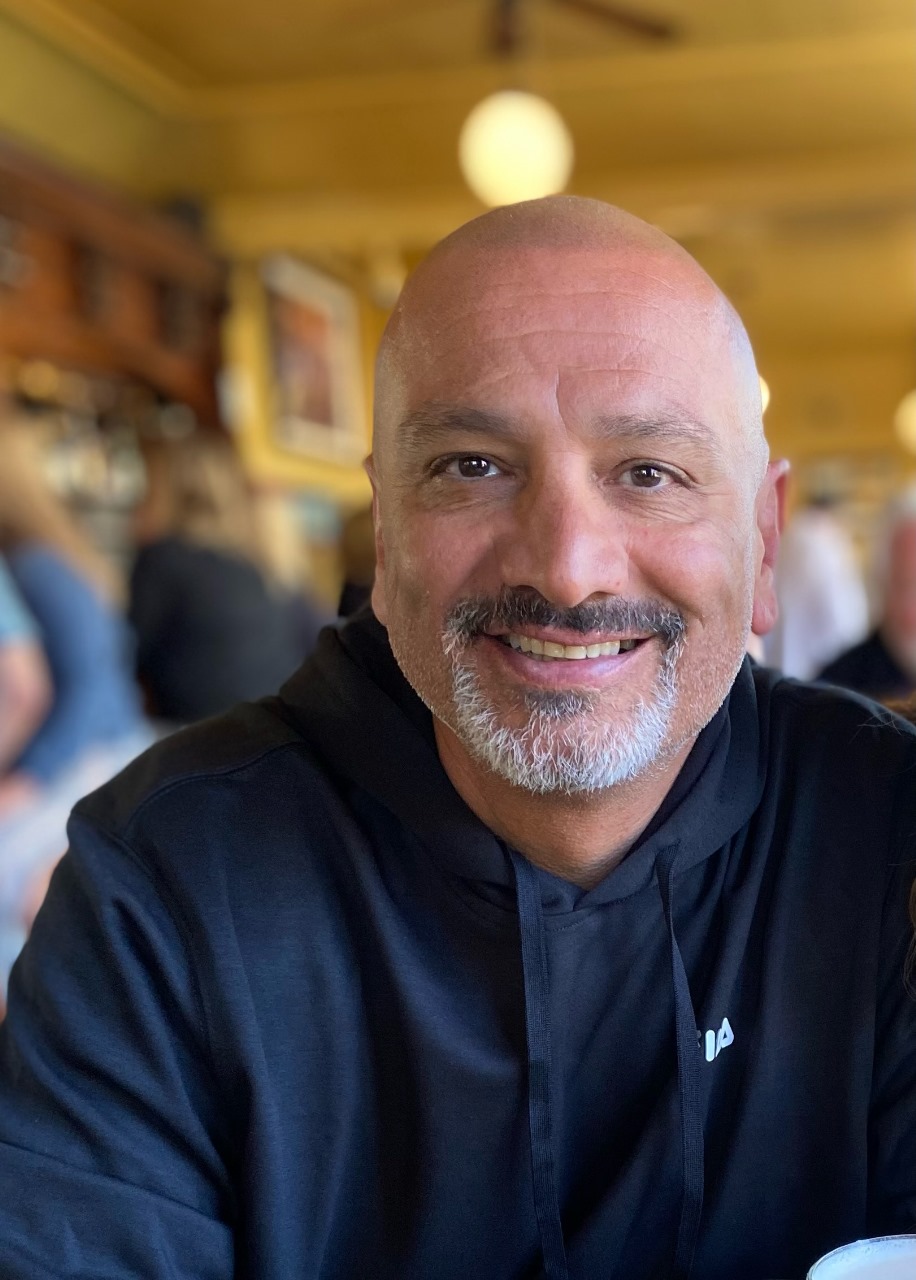
Andy Sharify
The founder and owner of The Vein Institute of the Desert. He oversees the clinic, ensuring exceptional service and a patient-focused approach to vein care. Andy is dedicated to creating a comfortable and supportive environment for every patient.