
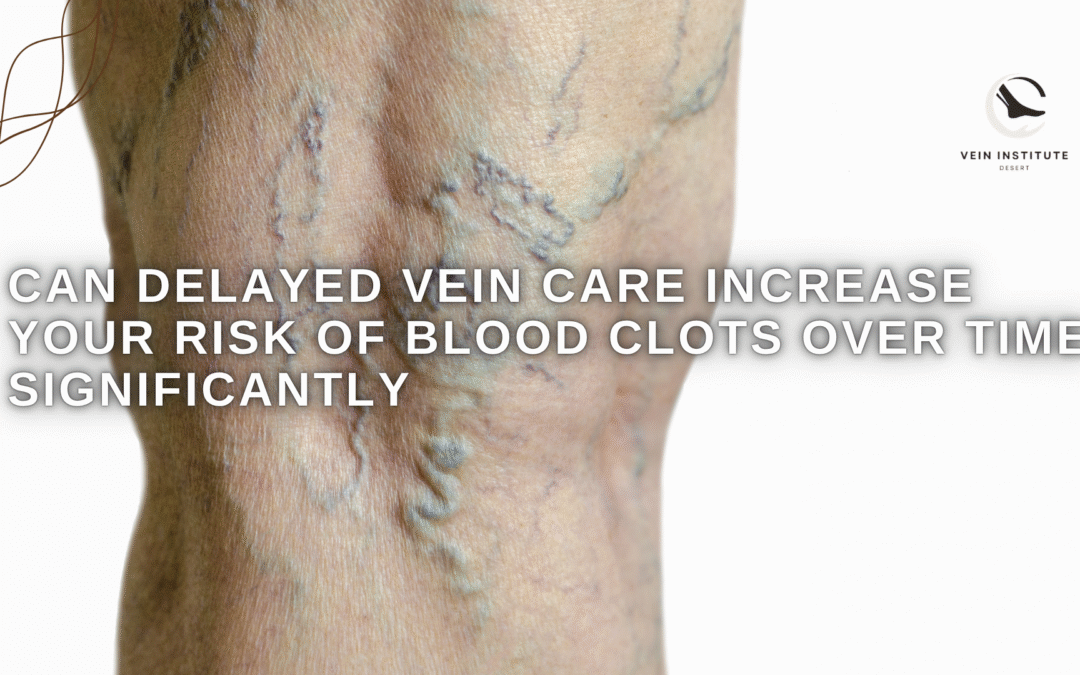
Can Delayed Vein Care Increase Blood Clot Risk? ⚠️
Vein symptoms often begin quietly. A little swelling after standing too long, occasional heaviness, or mild aching in the legs may seem easy to ignore. Because these changes often develop gradually, many people assume they are simply part of aging, work fatigue, or temporary circulation strain.
But untreated vascular problems do not always remain stable. When circulation issues continue progressing without proper care, the risk of complications can increase over time, including discomfort, skin changes, worsening venous dysfunction, and in some cases, blood clot formation.
🩺 What Happens When Vein Disease Is Left Untreated
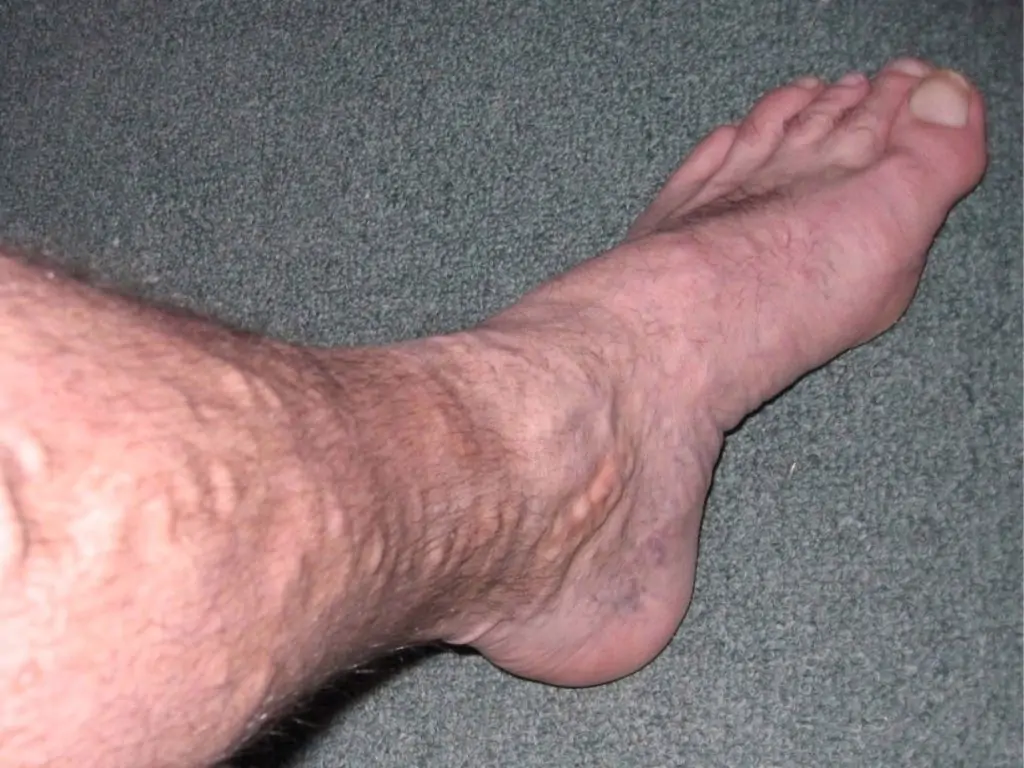
Alt text: Untreated vein disease causing visible swelling and skin changes in the lower leg.
Healthy veins rely on internal valves to keep blood moving efficiently back toward the heart. When those valves weaken or fail, blood can begin pooling in the lower limbs instead of circulating normally.
This creates increased pressure inside the venous system, gradually worsening circulation efficiency and contributing to symptoms that often become more noticeable over time.
In early stages, symptoms may feel manageable. Left untreated, the condition can become more complex.
⚠️ Common Signs That Circulation Problems Are Progressing
Many symptoms begin subtly before becoming more disruptive. Warning signs that may indicate worsening vascular dysfunction include:
- Persistent leg swelling that becomes more frequent
- Heaviness or aching after standing or sitting
- Burning, throbbing, or cramping sensations
- Enlarged visible veins
- Skin irritation or discoloration near the ankles
- Increasing discomfort during normal daily activities
These signs suggest the issue may be moving beyond mild symptom management.
🩸 How Delayed Care Can Increase Blood Clot Risk
Not every untreated vein issue leads to clot formation, but worsening circulation creates conditions that may increase risk in some individuals. Sluggish blood flow can contribute to blood pooling, and reduced circulation efficiency may create a more favorable environment for clot development.
The concern becomes greater when symptoms continue progressing without evaluation, particularly when swelling, pain, or prolonged immobility are involved.
This is one reason early vein treatment evaluation matters rather than waiting for symptoms to become severe.
🔍 Other Potential Complications of Delayed Treatment
Blood clots are not the only concern. Ongoing venous dysfunction can contribute to additional complications over time.
🦵 Chronic Discomfort
Aching, heaviness, fatigue, and pressure often become more persistent as circulation worsens. Symptoms that were once occasional may begin affecting normal mobility or daily routines.
🎨 Skin Changes
Long-term circulation pressure can affect skin health, leading to darkening, dryness, irritation, or tissue changes around the lower legs and ankles.
🩹 Venous Ulcers
In more advanced cases, chronic circulation dysfunction may contribute to slow-healing wounds, particularly around the lower leg. These complications are significantly harder to manage than early-stage symptoms.
🧪 Why Early Evaluation Makes a Difference
The earlier circulation problems are identified, the easier they are often to manage effectively. Timely diagnosis helps determine whether symptoms are caused by venous dysfunction, another circulation issue, or an entirely different condition.
Because circulation problems can overlap with muscular, orthopedic, or neurological discomfort, accurate evaluation matters before symptoms worsen unnecessarily.
💉 Treatment Addresses More Than Symptoms
Modern vein treatment approaches are not only focused on cosmetic appearance. Many interventions aim to improve circulation function by addressing underlying vascular dysfunction rather than simply masking discomfort.
Proper care may help reduce symptom progression, improve comfort, and lower the likelihood of complications associated with untreated vein disease.
🕒 Waiting Too Long Can Make Treatment More Complex
Ignoring persistent symptoms does not make the underlying issue disappear. In some cases, delayed care means the condition becomes more advanced before treatment begins, making management more complicated than it might have been earlier.
When swelling, discomfort, heaviness, or visible vein changes continue progressing, timely medical evaluation is often the safest next step.

Andy Sharify
The founder and owner of The Vein Institute of the Desert. He oversees the clinic, ensuring exceptional service and a patient-focused approach to vein care. Andy is dedicated to creating a comfortable and supportive environment for every patient.